City guides
City guides (435)
Florence City Guide
Italy
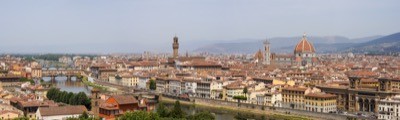
Florence is the cradle of the Italian Renaissance — Tuscany's regional capital, a UNESCO World Heritage City since 1982, and the city where Michelangelo's David, Botticelli's Birth of Venus, the Duomo, the Uffizi, and the Ponte Vecchio define an unrivalled concentration of cultural heritage. The city centre fits within a compact UNESCO buffer zone, with Centro Storico, Oltrarno (across the Arno), and the surrounding hills (San Miniato, Fiesole) anchoring the residential market. Population is 362,353 (city) / 714,000 (metro). Florence reached €4,737/m² in April 2026 (+5.43% YoY), with Centro Storico at €5,300/m² and Oltrarno/Historic Centre reaching €5,500-€6,000/m². Outer residential areas like Rifredi or Isolotto are €3,700-€3,900/m². Florence delivers Italy's strongest yield + heritage combination — gross rental yields ran 5.23-7.7% in Q3 2025 with city average 6.24%.
Milan City Guide
Italy
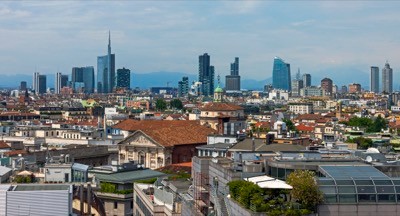
Milan is Italy's financial capital, fashion-and-design world centre, and the country's most expensive property market. Population is 1,362,863 (city) / 3,167,000 (metro). The city is anchored by the Duomo and the historic Centro Storico, the global luxury retail of the Quadrilatero d'Oro (Via Montenapoleone, Via della Spiga, Via Sant'Andrea), the art-and-design Brera district, and three landmark modern developments: Porta Nuova (Piazza Gae Aulenti and the Bosco Verticale vertical-forest skyscraper), CityLife (Hadid/Isozaki/Libeskind 'Three Towers' on the former Fiera grounds), and Garibaldi-Isola. Average property prices reached €5,188/m² in 2025 — the highest in Italy and roughly 50% above Rome's €3,759/m². Premium districts (Brera, Porta Nuova, CityLife) command €10,000+/m². Rental yields average 5.32% across the city. Milan captures a disproportionate share of Italy's HNW relocators using the renewed 2026 €300K Lump-Sum Tax regime.
Naples City Guide
Italy
Naples is Italy's third-largest city and the cultural capital of Southern Italy — anchored by Mount Vesuvius, the Bay of Naples, Pompeii + Herculaneum, the UNESCO-listed historic centre (Italy's largest at 1,700 hectares), and the world's most celebrated pizza tradition. The city has emerged from decades of post-war stagnation into Italy's most-watched emerging real estate market: prices rose +8.5% YoY in April 2026 to €2,684/m² average, with Posillipo (prestige sea-view residential) at €5,345/m² and gentrifying areas like Barra/Ponticelli at €1,501/m². Gross rental yields are among Europe's highest — 7.27% city average with neighborhoods reaching 12.92% for value 1-bedroom apartments. Naples is increasingly attracting international remote workers, lifestyle buyers, and yield investors drawn by Italy's 2026 €300K Lump-Sum Tax and the city's value-pricing relative to Rome or Milan.

Rome City Guide
Italy
Rome is the eternal city — 2,800 years of continuous habitation layered into a single urban fabric, from Imperial-era forums and Renaissance churches to fascist-era boulevards and post-war modernism. The city is divided into 22 historic rioni and 15 modern quartieri, each with distinct character and pricing. Centro Storico — the UNESCO-listed historic core — commands roughly €8,484/m² and the highest international-buyer share. Trastevere, Monti, Prati, and Testaccio anchor the next pricing tier. Across the city, average residential prices reached €3,759/m² in early 2026 (+6% YoY per Investropa), with gross rental yields ranging 3-8% depending on neighbourhood. Italy's national-level Imposta di Registro structure (2% prima casa or 9% non-prima-casa transfer tax) and the renewed 2026 €300K Lump-Sum Tax regime for HNW relocators support continued international buyer demand.
Venice City Guide
Italy
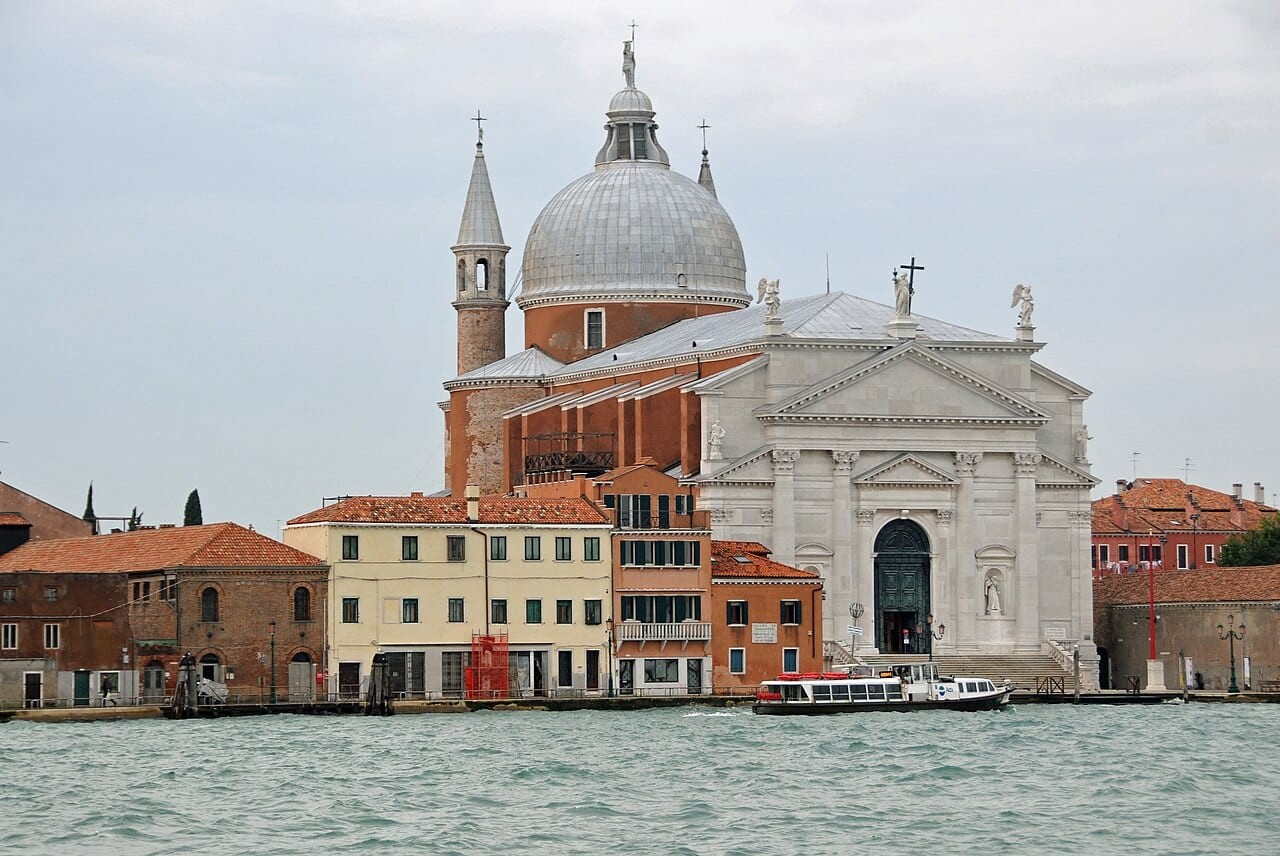
Venice is a property market like no other: a UNESCO-listed lagoon city of around 249,000 residents (less than 50,000 in the historic island core) where the near-total absence of new construction creates a structurally scarce supply of housing. That scarcity, combined with relentless global tourism and second-home demand, drives prices in the historic centre well above the Italian average: San Marco apartments range from 5,800 to 7,200 euros per square metre, while the citywide average reached roughly 4,800-4,900 euros/m2 in late 2025, up around 5% year-on-year. The market is sharply two-tiered: trophy lagoon apartments deliver modest long-let yields of 3.5-4.3% (Cannaregio near the Ghetto) but exceptional scarcity value, while the mainland districts of Mestre and Marghera offer entry prices as low as 1,400-2,000 euros/m2 and the strongest gross yields, around 4.5-5.5%, anchored by commuters, students and service workers. Tenant demand spans students, hospital and tourism staff, and a growing cohort of remote workers and expats. As a Eurozone city Venice offers currency and legal stability, but the risks are unusually specific: flood (acqua alta) exposure and the cost of maintaining historic island buildings, tightening short-term-rental and tourism regulation (including the day-tripper access fee), a shrinking resident population, and a flat-to-modest 12-month price outlook of roughly minus 3% to plus 5% for the historic centre.

Kingston City Guide
Jamaica
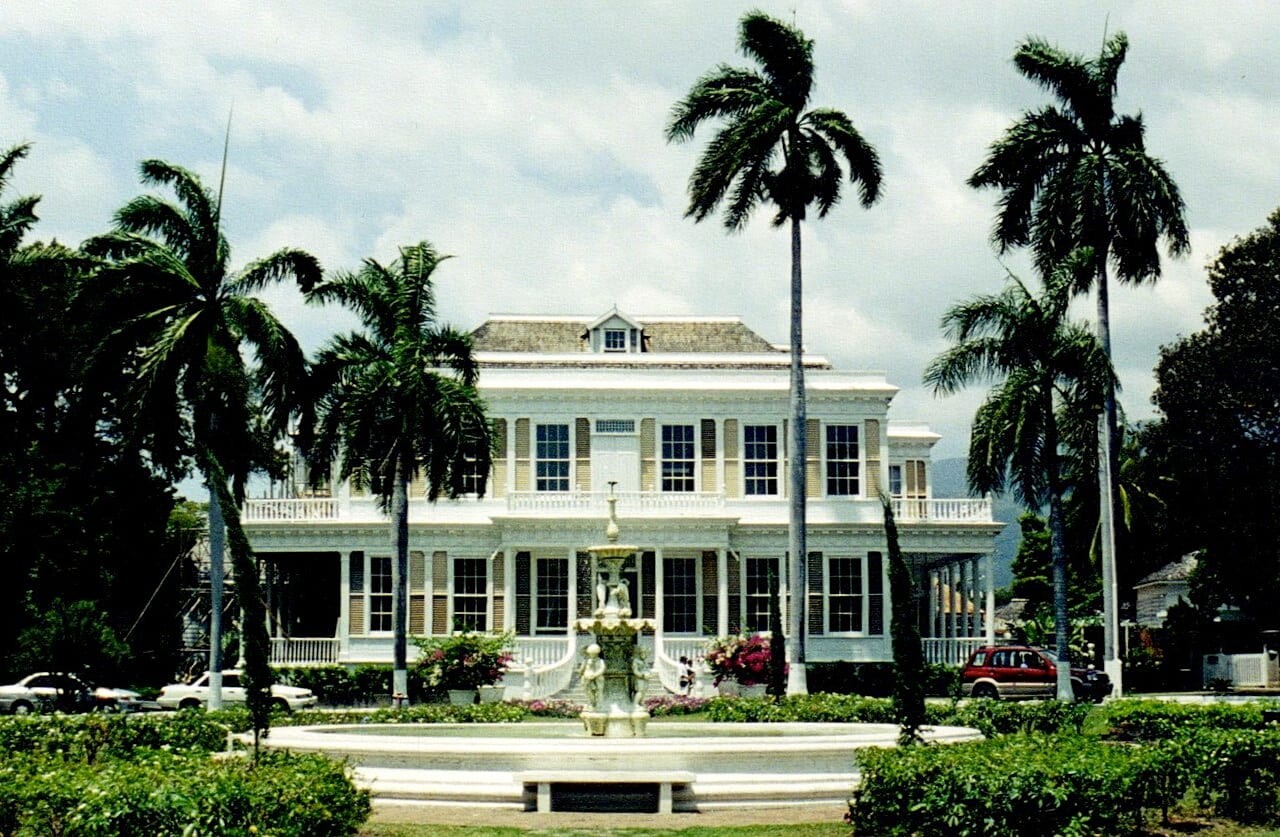
Kingston, the capital and the Caribbean's largest English-speaking city, is Jamaica's economic, financial and cultural engine, and the country's strongest income-yield market. Unlike the resort coasts, demand here is driven by professionals, diplomats, corporates and a deep long-let tenant pool, producing some of the highest urban rental yields in the region: Numbeo data shows gross yields of roughly 8.2% in the city centre and 6.6% outside it. Buy-side pricing runs from about US$170,000-$300,000 for entry condos and apartments, US$350,000-$700,000 for mid-range gated units, and US$1.5 million+ for luxury homes in the uptown hills. Prime uptown product (New Kingston, Norbrook, Cherry Gardens) trades around US$200-$350 per square foot. National rents accelerated 7.3% year-on-year in mid-2025, and uptown values have appreciated roughly 5-7% annually. Foreigners may buy freehold with no permit or nationality restriction, treated almost as locals; the only material limit is a 49% foreign-shareholding cap on company-held land. Transactions carry a 2% transfer tax, shared stamp duty and legal fees of 1.5-3%, with the BOJ policy rate eased to 5.75% improving financing conditions.
Montego Bay City Guide
Jamaica
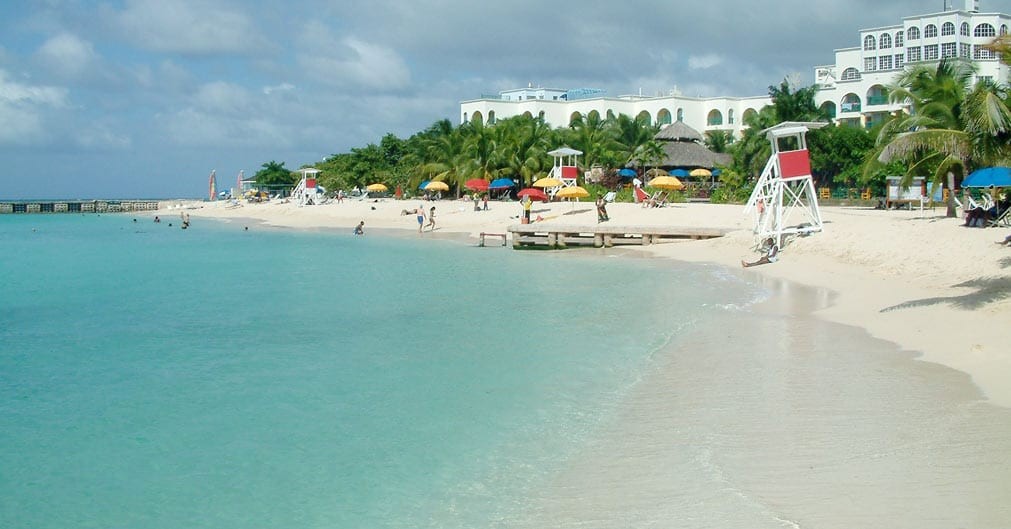
Montego Bay is Jamaica's premier resort city and the deepest, most liquid market for foreign property investors, anchored by Sangster International Airport (the Caribbean's busiest by some measures) and a tourism economy that drew a record 4.3 million visitors nationally in 2024 worth roughly US$4.35 billion. The market spans resort condos in Ironshore and Reading, golf and gated luxury at Rose Hall, and the Hip Strip / Doctor's Cave Beach core. Entry-level beach condos run from about US$180,000-$300,000, while gated and golf-community villas at Rose Hall reach US$700,000-$2.5 million+; quality coastal product trades around US$300-$450 per square foot. Short-let demand is strong, supporting gross rental yields of roughly 6-8% on well-located vacation units, with peak-season occupancy frequently above 75%. Foreigners may buy freehold property outright with no nationality restriction or special permit, treated almost identically to locals; only company-held land triggers a 49% foreign-shareholding cap. Buyers budget for 2% transfer tax (seller-side), shared stamp duty (currently flat for land conveyances) and typical legal fees of 1.5-3%. With national rents climbing 7.3% year-on-year in mid-2025 and the BOJ policy rate eased to 5.75%, MoBay remains the country's most investable destination.
Negril City Guide
Jamaica
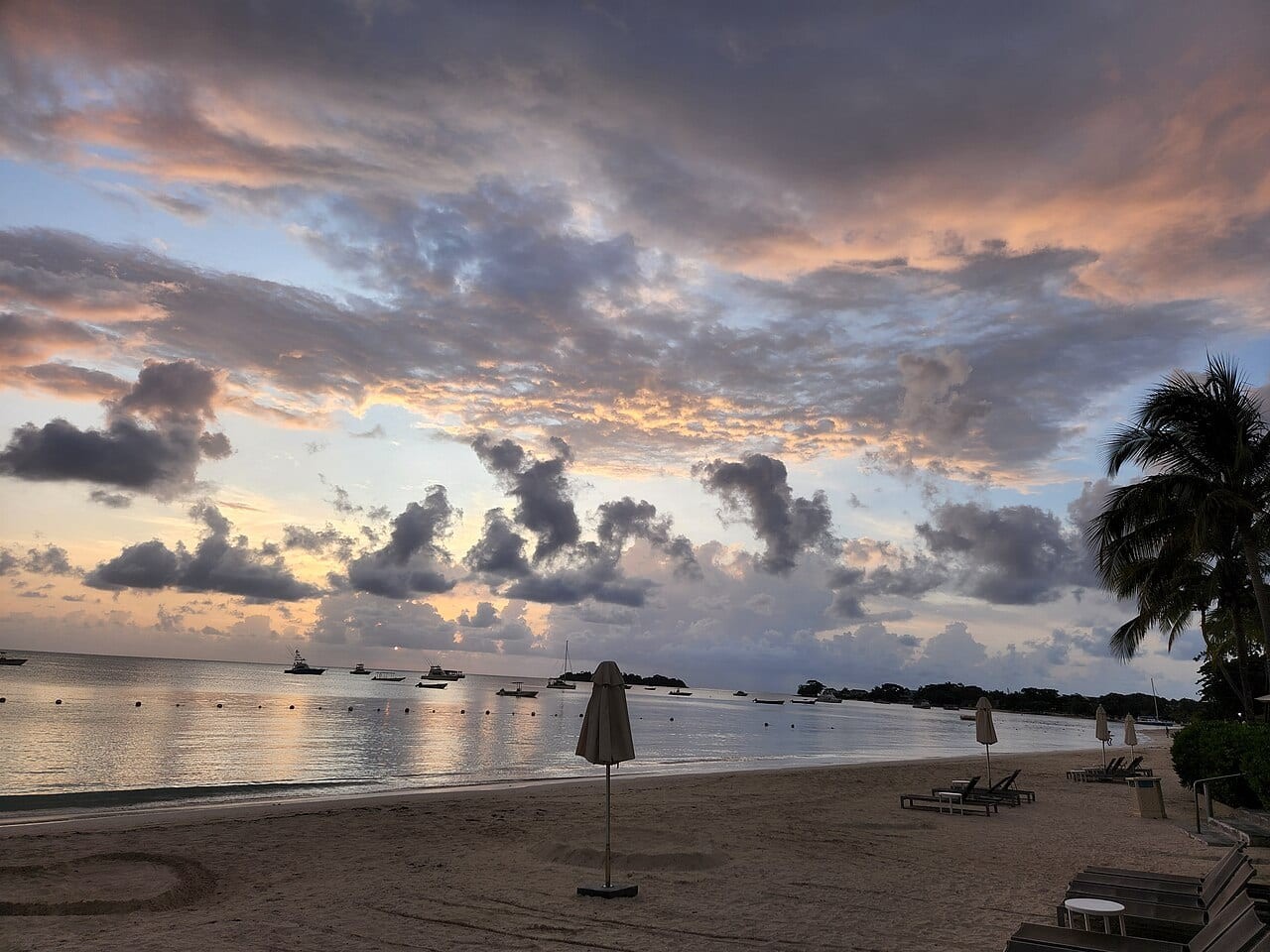
Negril, at Jamaica's western tip across Westmoreland and Hanover, is the island's most iconic beach destination, renowned for the white sands of Seven Mile Beach and the dramatic limestone cliffs of the West End. Its laid-back, eco-leaning tourism economy makes it a premier vacation-rental and boutique-resort market for foreign investors. Property runs from about US$170,000-$350,000 for condos and cottages, US$350,000-$900,000 for beach and cliff villas, and US$1 million+ for premium oceanfront estates and small resorts; quality coastal product trades around US$250-$420 per square foot. Short-let demand near Seven Mile Beach is strong, supporting gross yields of roughly 6-9% on well-managed units with high peak-season occupancy. Prices have appreciated about 5-6% annually. Foreigners may buy freehold with no nationality restriction or permit, treated nearly as locals; only company-held land carries a 49% foreign-shareholding cap. Buyers budget for 2% transfer tax (seller-side), shared stamp duty and legal fees of 1.5-3%. With national tourism at record levels and the BOJ rate eased to 5.75%, Negril remains a top lifestyle-and-yield destination.
Ocho Rios City Guide
Jamaica
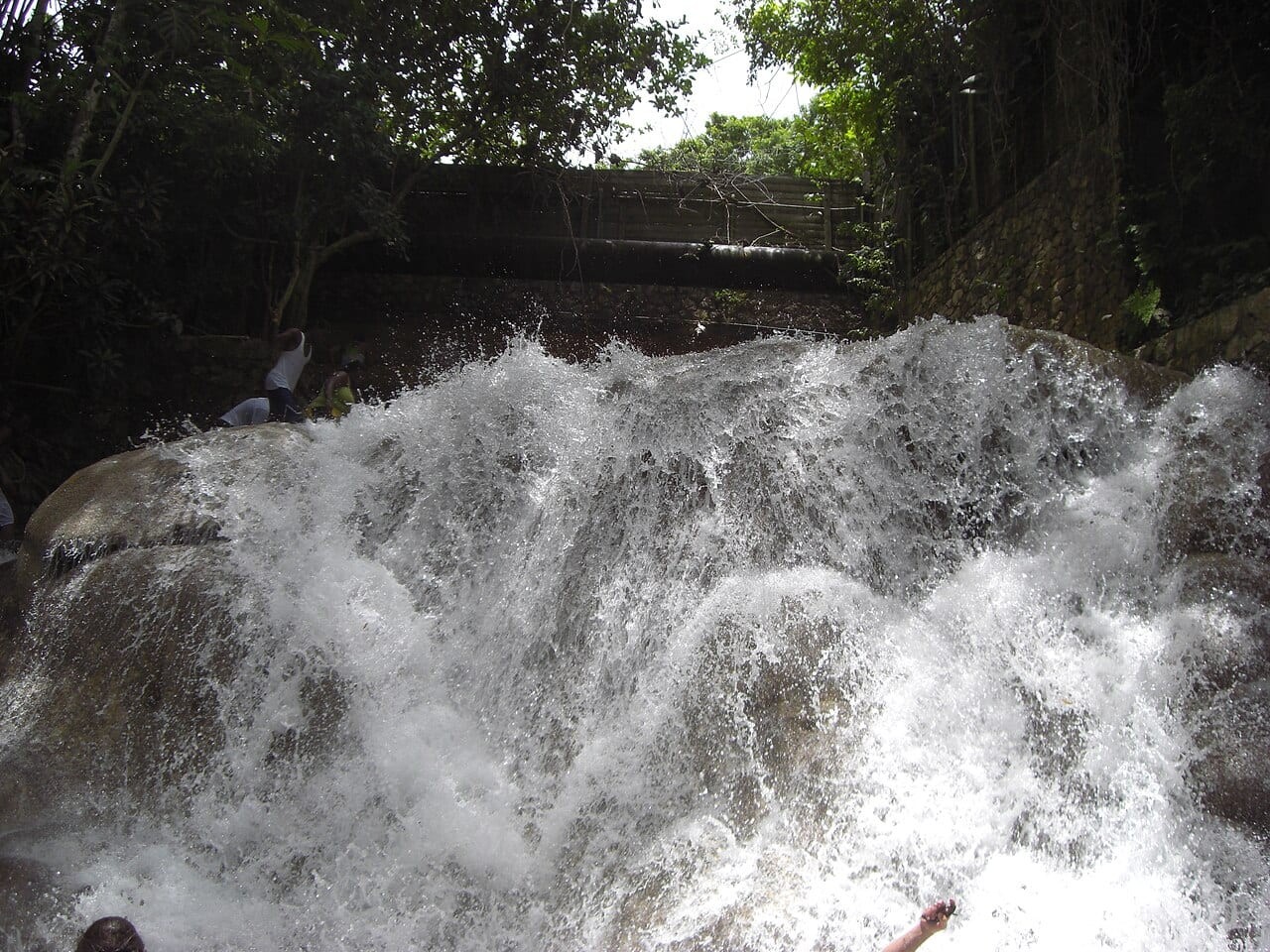
Ocho Rios, on Jamaica's north coast in Saint Ann, is a cruise-port and resort town built around natural attractions like Dunn's River Falls, making it a leading vacation-rental and second-home market. As a major cruise terminal and excursion hub, it sustains heavy seasonal visitor flow that underpins short-let demand for condos and villas. Property runs from about US$170,000-$300,000 for condos and townhouses, US$300,000-$700,000 for gated villas, and US$1 million+ for premium oceanfront estates; quality coastal product trades around US$250-$400 per square foot. Gross rental yields of roughly 6-8% are achievable on well-managed short-let units given strong peak-season occupancy, and prices have appreciated about 5-6% annually. Foreigners may buy freehold with no nationality restriction or permit, treated nearly as locals; only company-held land carries a 49% foreign-shareholding cap. Buyers budget for 2% transfer tax (seller-side), shared stamp duty and legal fees of 1.5-3%. With national tourism at record levels (4.3M arrivals, US$4.35B earnings in 2024) and the BOJ rate eased to 5.75%, Ocho Rios remains a core north-coast investment destination.

Amman
Jordan
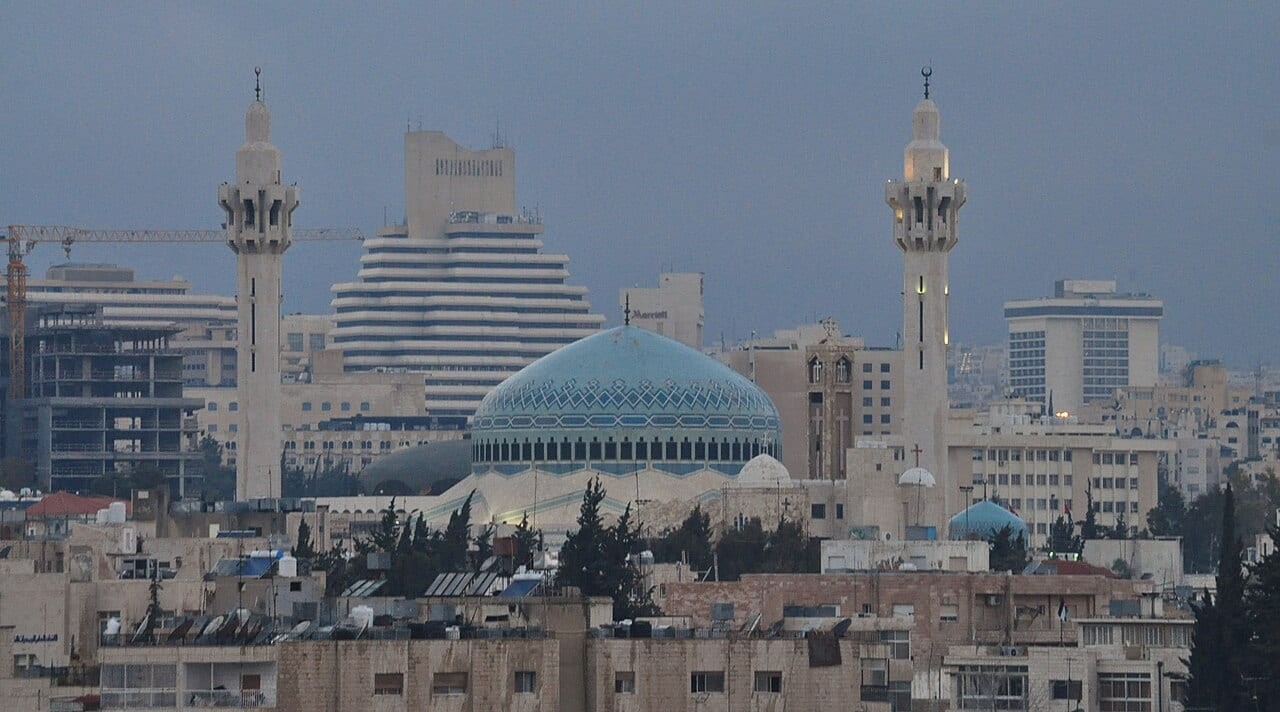
Amman is Jordan's capital and the country's economic, political, and cultural centre. Built across seven hills (now expanded across 19), the city has long been a regional safe harbour for capital and talent fleeing instability elsewhere in the Levant -- giving Amman a uniquely cosmopolitan, professional character. Residential prices in upscale districts (Abdoun, Sweifieh, Dabouq, 5th Circle area) range from JOD 800-1,800 per square metre (USD 1,130-2,540), with gross yields of 5.5-7.5%. Foreign nationals can purchase freehold property in Jordan with Council of Ministers approval (a routine process for non-restricted areas). GCC nationals enjoy simplified procedures. The market is USD-stable thanks to JOD's peg to the dollar at 0.708 since 1995. For international buyers, Amman offers a calm, family-oriented Levantine capital with USD-pegged currency, professional services in English, strong rental demand from regional NGO/diplomatic communities and university students, and reasonable yields. The catch: economic growth has been slow (2-3% GDP), labour markets are weak, and the broader regional security context adds risk premium.
Aqaba City Guide
Jordan
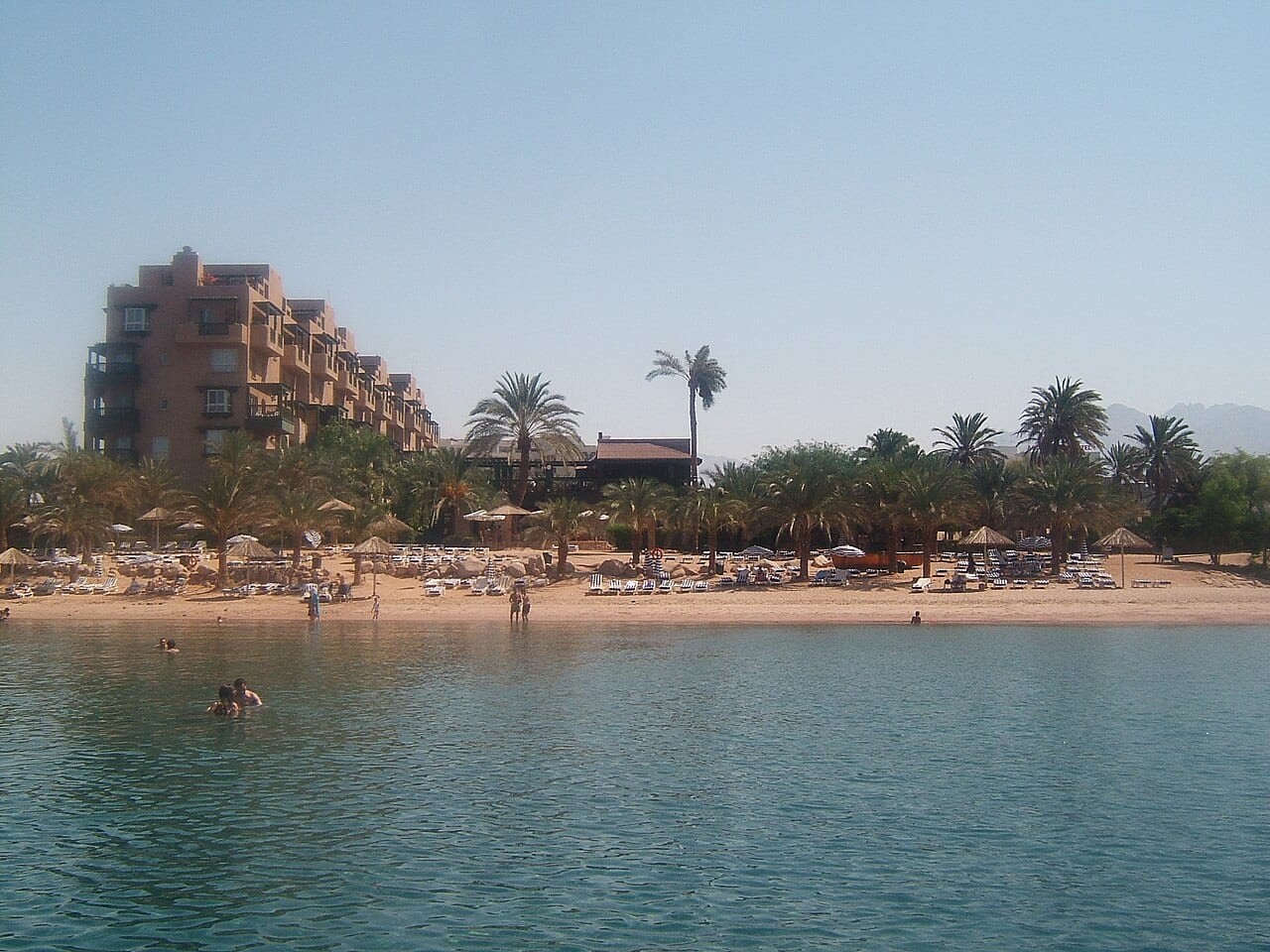
Jordan's only coastal city, Aqaba sits at the head of the Red Sea where the Aqaba Special Economic Zone (ASEZ), established in 2001 across 375 square kilometres with 27 kilometres of shoreline, gives investors a distinctly liberal regime: a flat 5% income tax, simplified customs, and a foreign-ownership framework friendlier than mainland Jordan. The waterfront is being reshaped by a cluster of mega-resorts: Ayla Oasis (1.4 billion USD, with a Greg Norman golf course), Saraya Aqaba (1.5 billion USD), the established Tala Bay community to the south, and the 10 billion USD Marsa Zayed regeneration of the old port that broke ground in 2024. Tourism is the core demand driver: hotel-managed and serviced apartments command the strongest occupancy and ROI, particularly waterfront stock in Tala Bay and Ayla. National property trading rose roughly 2% over the first nine months of 2025, and February 2025 reforms eased residency rules for foreign owners. With a population near 242,000 and steady infrastructure investment, Aqaba enters 2026 as Jordan's principal lifestyle and second-home market rather than a high-yield speculative play.
Irbid City Guide
Jordan
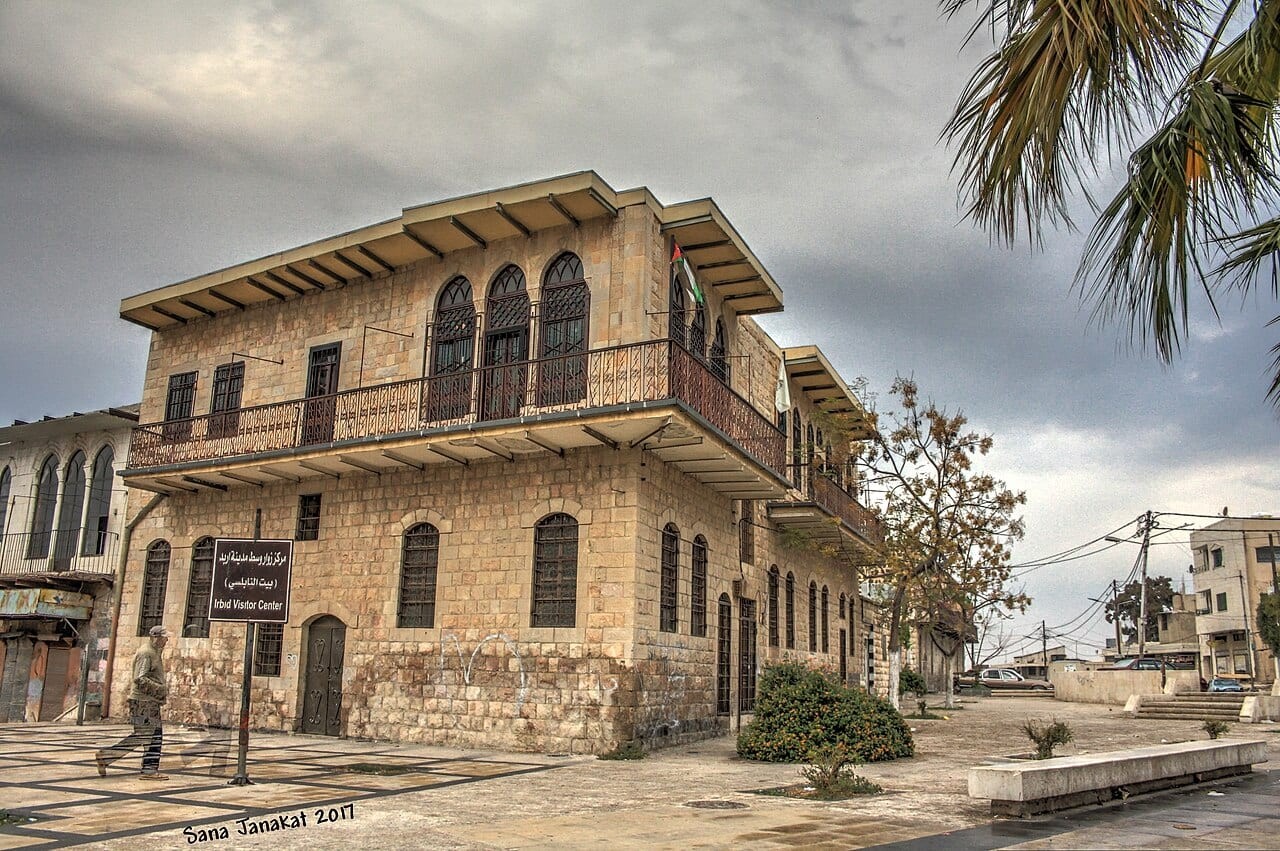
Irbid is Jordan's second- or third-largest city and the commercial hub of the fertile northern governorate, best known for Yarmouk University and the Jordan University of Science and Technology, which together make it the country's densest student city. Property is considerably cheaper than Amman, and a large, renewing student tenant base supports steady rental demand with gross yields typically in the 4-7% range. Foreign buyers face a meaningful legal gate: under Law 47/2006, non-Jordanians (non-Arabs in particular) need Council of Ministers approval and must satisfy a reciprocity test with their home country, and there is generally a five-year holding period before resale. This makes Irbid a stable, income-oriented market for patient investors rather than a quick-flip destination.
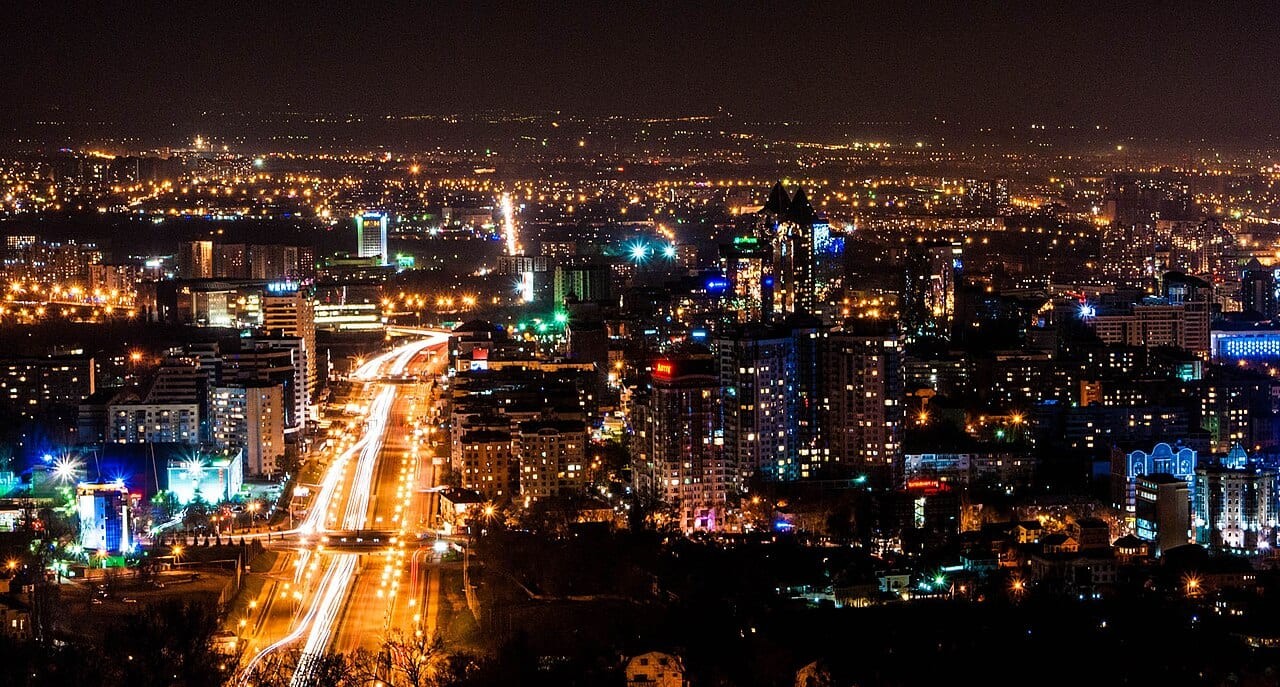

Almaty City Guide
Kazakhstan
Almaty is Kazakhstan's commercial and financial capital and the deepest, most liquid property market in Central Asia. Though Astana took over as the political capital in 1997, Almaty still generates close to a quarter of national GDP, with a GDP per capita roughly a third higher than the new capital, and it hosts the country's largest concentration of banks, corporates, universities, and cultural institutions. Set against the Tien Shan mountains, the city of around 2.35 million residents combines a tree-lined Soviet-era core with new comfort- and business-class developments in southern districts such as Bostandyk and Medeu. Average residential values sit near USD 1,400 per square metre in late 2025, economy-class one-bedroom apartments trade around USD 50,000-55,000, while strong tenant demand keeps gross rental yields among the highest of any major regional city, broadly in the 7-9% range. Prices rose more than 4% in the opening months of 2026 and annual rents climbed close to 12% through 2025. For international buyers, Almaty offers Eurasian-gateway connectivity, a maturing mortgage market, and entry prices a fraction of comparable Eastern European capitals, balanced against tenge currency exposure and seismic considerations.
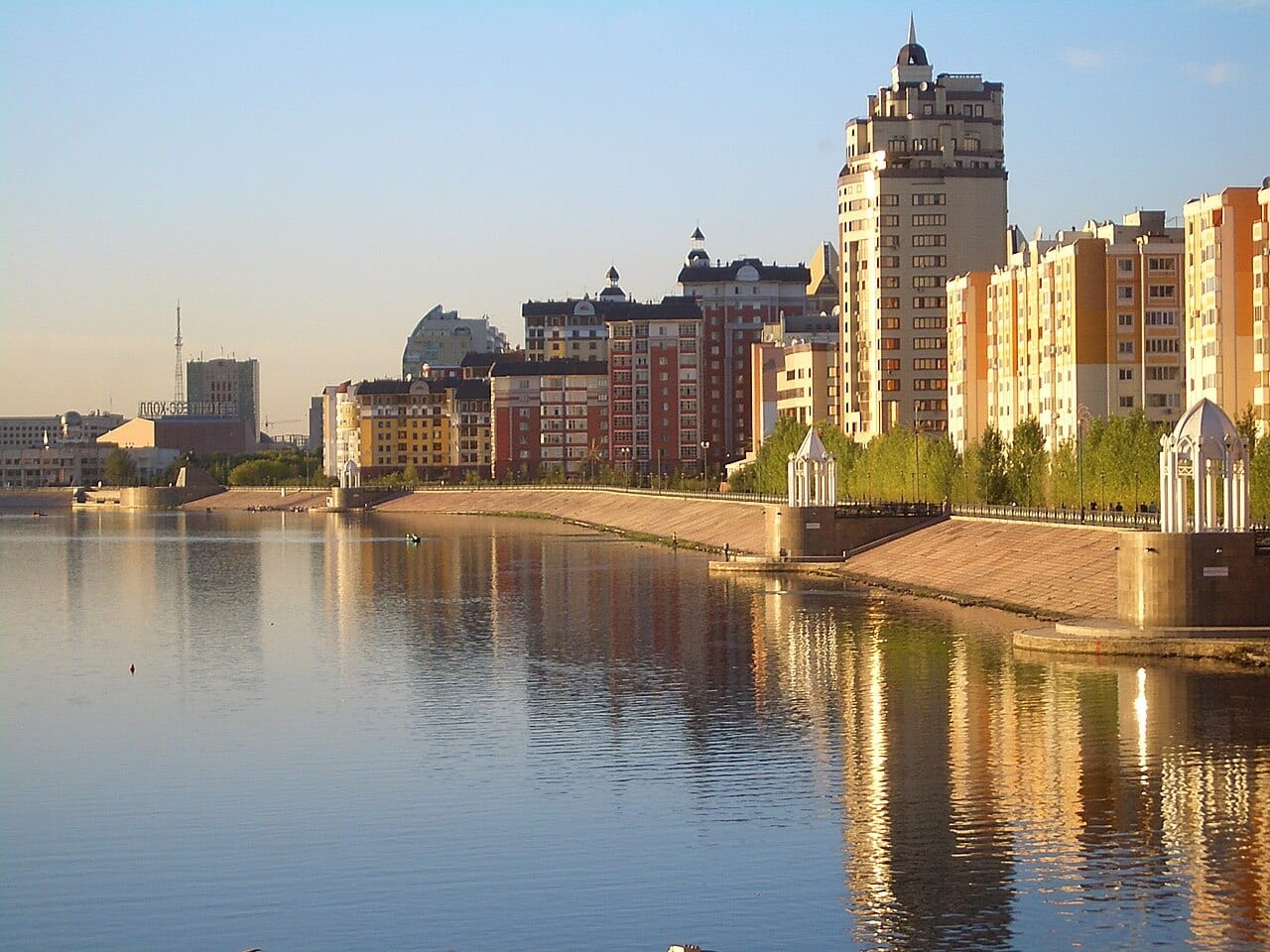
Astana City Guide
Kazakhstan
Astana is Kazakhstan's purpose-built political capital and the fastest-growing major property market in the country. Designated capital in 1997 and extensively master-planned on the steppe, the city of roughly 1.6 million has expanded through government investment, corporate relocation, and rapid in-migration, absorbing more than 81,000 net internal migrants in the first eleven months of 2025 alone. Astana accounted for nearly a quarter of all newly commissioned housing nationwide in 2025, delivering some 4.8 million square metres of new stock. The anchor of its investment case is the Astana International Financial Centre (AIFC), a special zone operating under English common law with tax incentives and an investor-visa pathway, clustered with the EXPO complex on the modern Left Bank (Yesil district). Average new-build prices sit near USD 1,130 per square metre with secondary stock around USD 1,210, materially below Almaty, yet Astana's secondary market grew about 12.9% in 2025 and transactions surged roughly 21.6%. Gross yields are high by global standards, supported by strong corporate-tenant demand, though buyers should weigh currency exposure and a young, supply-heavy market.
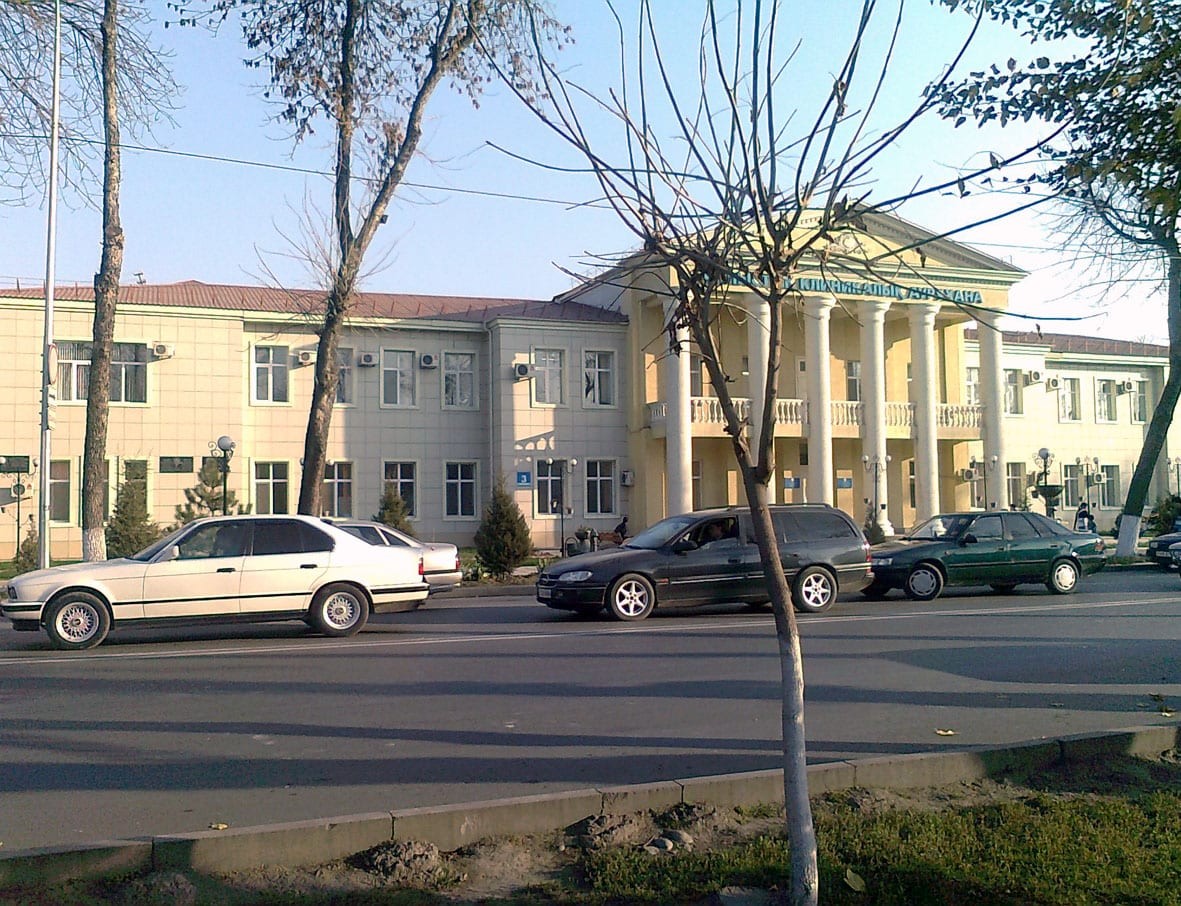
Shymkent City Guide
Kazakhstan
Kazakhstan's third-largest city and a stand-alone city of republican significance, Shymkent is the country's fast-growing southern hub, blending an ancient Silk Road heritage around Ordabasy Square with a heavy industrial and logistics base that drew over 1.38 million square metres of new construction in a single recent year. Apartment prices are among the most affordable of Kazakhstan's major cities at roughly KZT 400,000-650,000 per square metre (about USD 800-1,300), a fraction of Almaty or Astana levels. Foreign buyers can own apartments and built structures outright, but only if they hold permanent residency, and they cannot own land directly, which remains state-held and leasable, with agricultural land off-limits to foreigners entirely. Rental yields are strong for the region at a realistic 7-9% gross, supported by a young, growing population, and internal estimates put price appreciation at 6-9% a year.
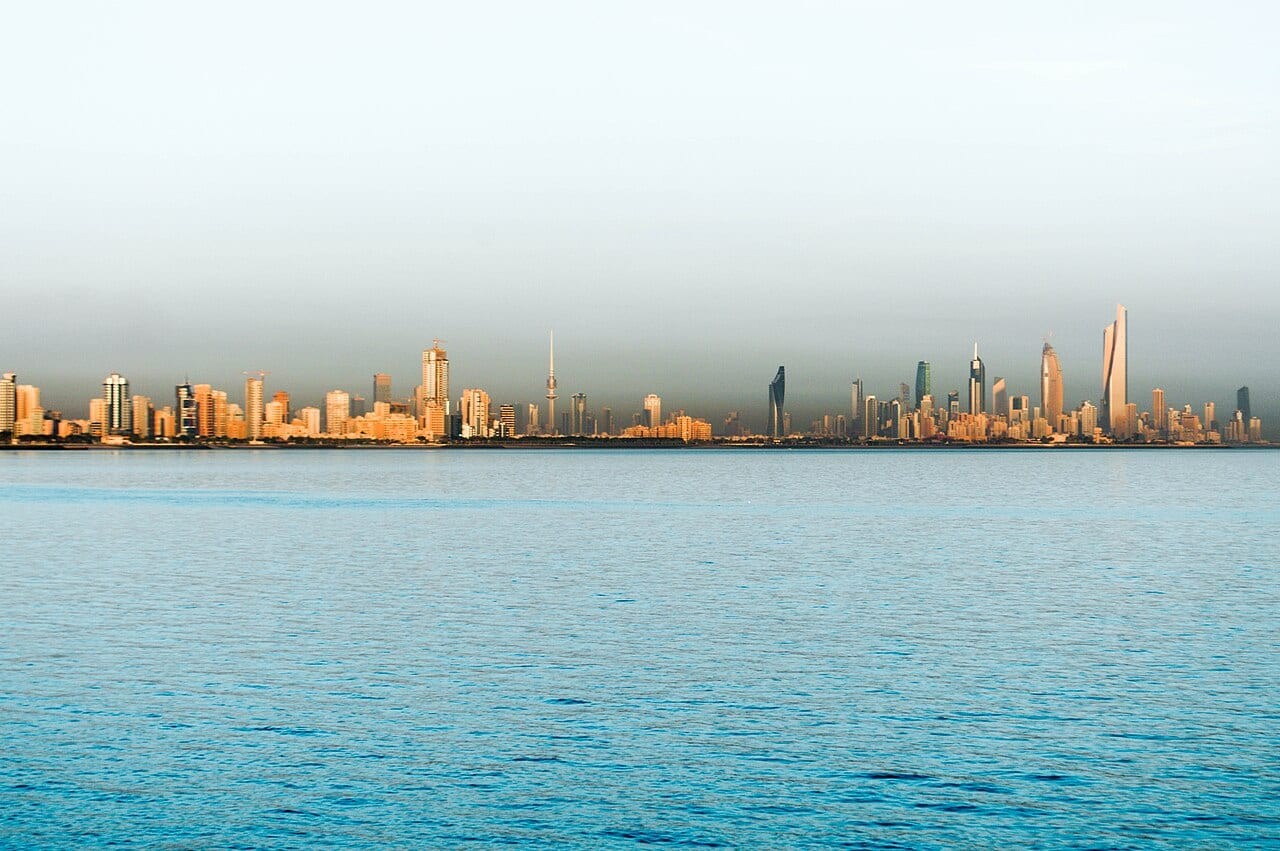

Kuwait City Guide
Kuwait
Kuwait City is the capital and financial heart of one of the Gulf's wealthiest petrostates, concentrating the country's government, banking sector, and the Kuwait Stock Exchange within the Capital (Al Asimah) Governorate. The market is structurally different from Dubai or Doha: foreign freehold ownership is heavily restricted, so the investable opportunity centres on the Istithmari (investment) apartment segment, where cap rates ran a robust 6.45% to 7.06% in Q1 2025 - among the most attractive income profiles in the Gulf. Activity rebounded strongly heading into 2025, with real estate sales surging almost 28% in Q4 2024 to KD1,082 million, the highest in more than two years, and commercial land prices in Kuwait City up 28.5% year-on-year in Q3 2024. The prime rental districts cluster along the coast and central corridor - Bneid Al Gar (where investment land values rose 7.7%), Sharq with its waterfront towers and Souk Sharq, the bustling Salmiya retail belt in neighbouring Hawalli, and Mahboula to the south - all drawing steady tenant demand from the large expatriate workforce. The 2025 outlook is constructive, supported by an improving non-oil economy, the Kuwait Vision 2035 diversification agenda, and prospective interest-rate cuts, though investors must navigate ownership rules and a market driven more by stable income than rapid capital appreciation.

Jurmala City Guide
Latvia
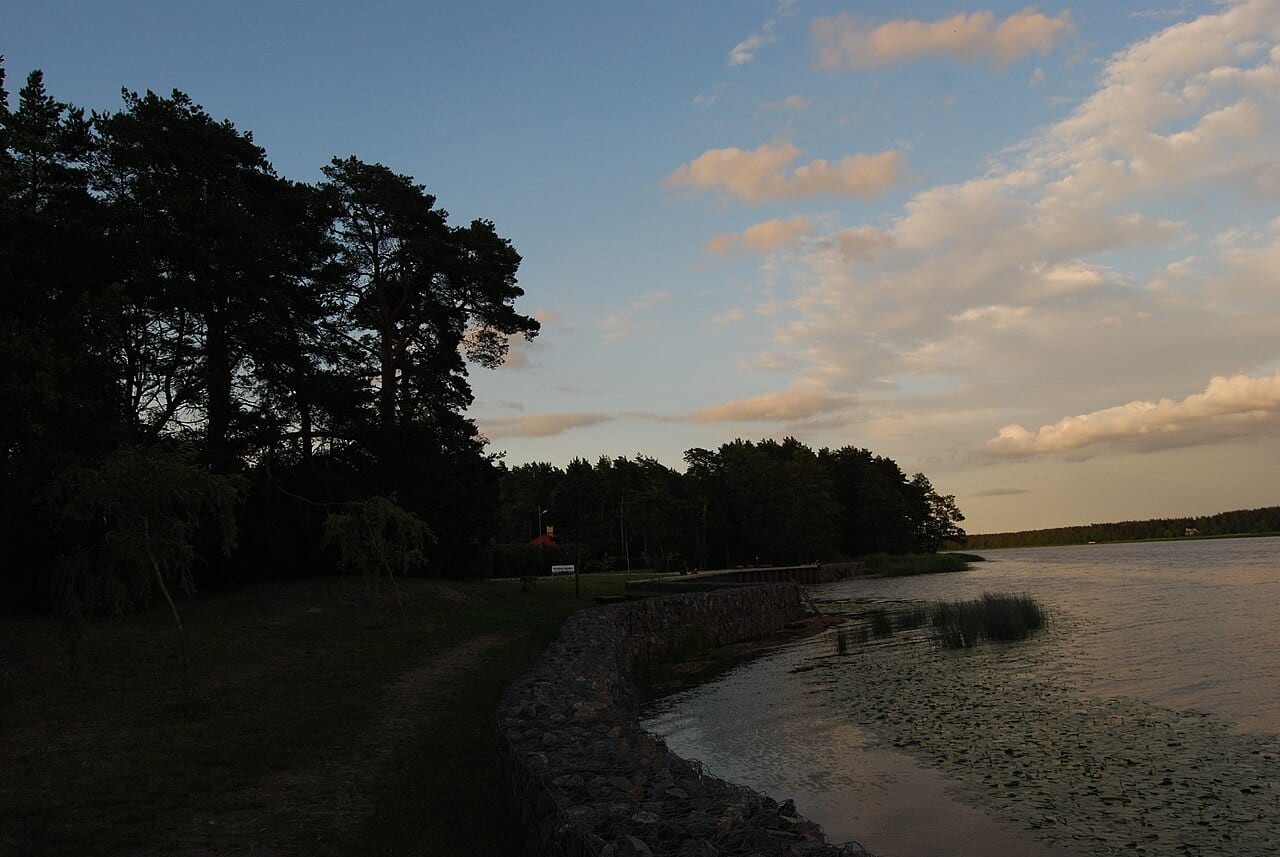
Stretching some 32 kilometres of pine-fringed white sand along the Gulf of Riga, just 25 kilometres west of the Latvian capital, Jūrmala is the Baltic region's premier coastal resort town and the heart of Latvia's second-home and premium-property market. Famous for its Art Nouveau wooden summer villas, spa hotels and the elegant promenades of Majori, the concert halls of Dzintari, and the bohemian leafy streets of Bulduri, the town draws affluent buyers from across the Baltics, the Nordics and beyond. Latvia's premium real estate segment posted a record first half of 2025, with transaction volume above EUR 250 million, up roughly 28% year-on-year and the strongest in five years, and Jūrmala captured a disproportionate share of that activity, accounting for over half of registered premium land deals. Apartment prices in the Kauguri district averaged around EUR 812 per square metre in 2025 (up 4.1% year-on-year), while detached resort villas commonly trade between EUR 250,000 and EUR 350,000, with exclusive seafront plots averaging close to EUR 480,000. As a Eurozone member with no currency risk, Jūrmala offers international buyers a tranquil, high-quality lifestyle alternative to Riga with a resilient luxury segment.
Riga City Guide
Latvia
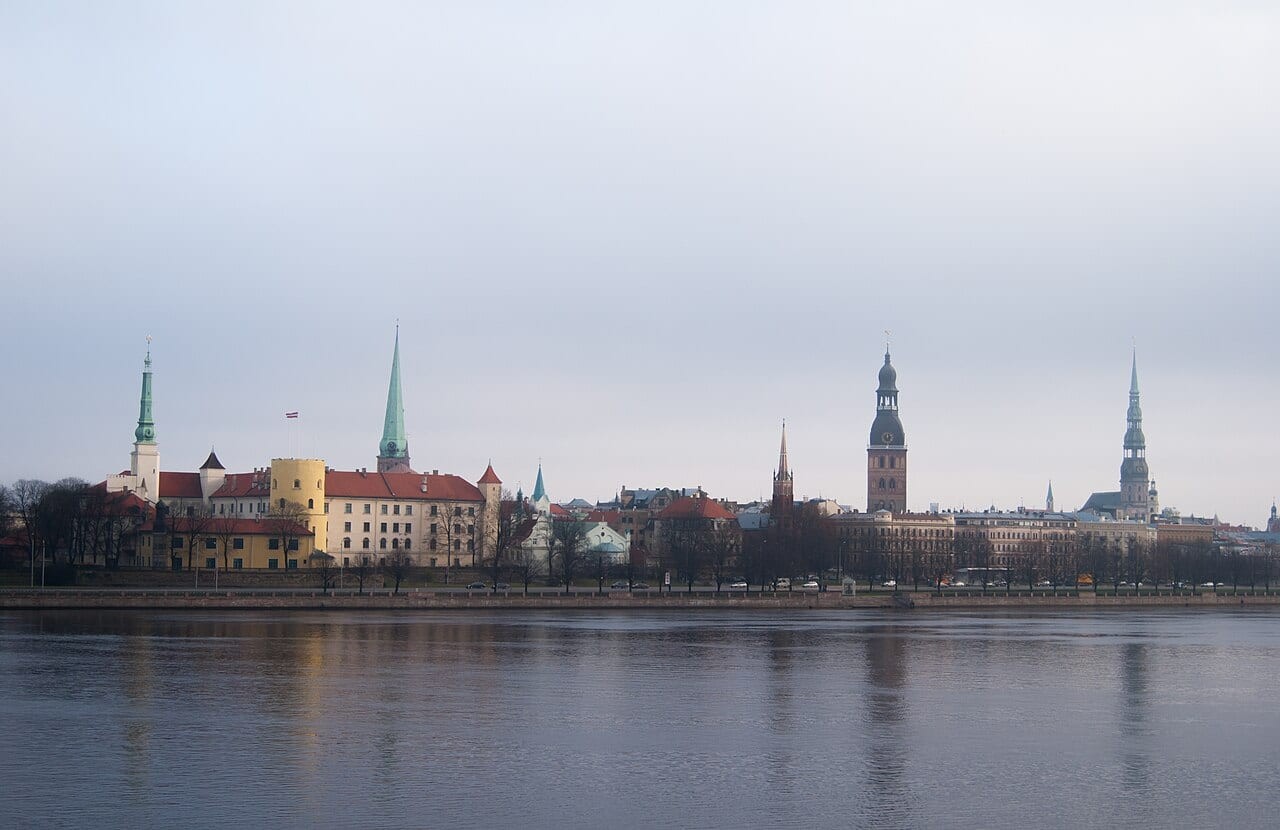
Riga is the capital of Latvia and the largest city in the Baltic states (~592,000 residents). As a full EU and eurozone member (Latvia adopted the euro in 2014), it offers foreign investors EU-grade legal protections, a euro-denominated market and a fast digital land register. Riga is best known for possessing the largest concentration of Art Nouveau (Jugendstil) architecture in the world, roughly a third of central buildings are Art Nouveau, with Alberta iela and Elizabetes iela holding some of Northern Europe's most ornate façades. Together with the medieval Old Town (Vecrīga), this central core forms a UNESCO World Heritage Site, genuine architectural scarcity at price points far below comparable Western heritage capitals. For investors, Riga is a value-and-yield market rather than a capital-growth play. Central renovated and new-build apartments trade at roughly €2,000–4,300/m² (exclusive Old Town and Quiet Centre stock reaching €5,000–7,000/m²), while the dominant Soviet-era 'series' apartment stock in the suburban microdistricts averaged just €865/m² in September 2025. Gross rental yields are among the highest of any EU capital, Global Property Guide put the Riga average at ~8.6% in 2025, though this headline is inflated by small peripheral units; realistic central-district yields are 6.7–7.6%. Latvia's residence-by-investment route remains open (minimum €250,000 in completed property plus a one-time 5% state duty; Russian and Belarusian applicants are excluded), a live driver of central demand, 201 investment-permit approvals in 2025, up ~35%. The bull case is tempered by real headwinds: demographic decline, a NATO-frontline geopolitical risk premium, and the loss of the traditional Russian/Belarusian buyer pool since 2022.

Kaunas City Guide
Lithuania
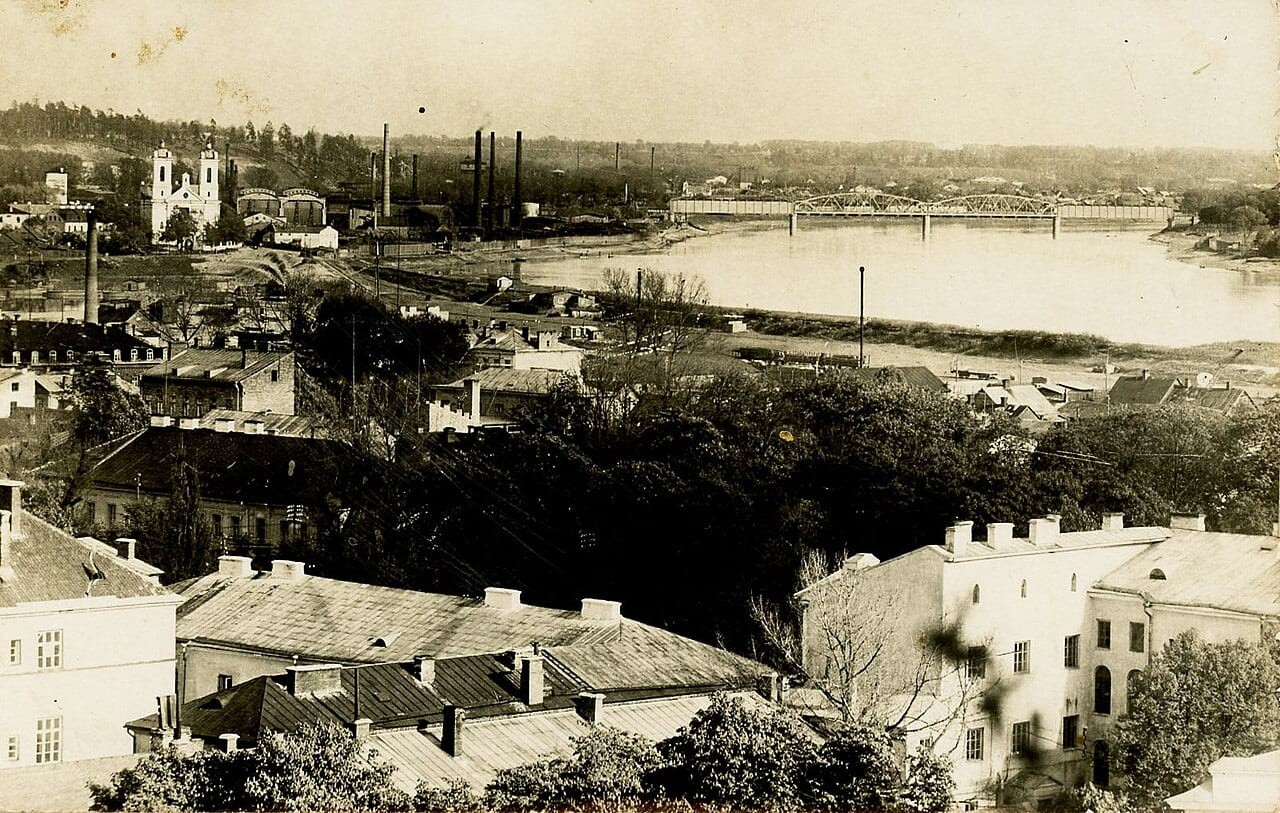
Lithuania's second city and interwar former capital, Kaunas recorded the fastest property-price growth in the country in 2025, with average apartment prices rising 13.8% to about EUR 2,071 per square metre, the largest annual change of any Lithuanian city. The market is driven by a structural shortage of high-quality new housing in convenient locations, with completions falling for two consecutive years while demand from international-company employees, students, and public-sector workers keeps central districts tight. Typical older apartments range EUR 1,400-2,400 per square metre, leaving Kaunas materially cheaper than the capital Vilnius. Kaunas also delivers some of Lithuania's strongest yields, averaging around 5.8%, with studios and older stock reaching 6-7%; rents jumped roughly 13% in 2025, outpacing price growth and improving the income case. The Naujamiestis (New Town) modernist core, a UNESCO World Heritage site, along with Zaliakalnis, Centras, and Senamiestis (Old Town) form the prime zones. A NATO build-up that will base thousands of German troops near Vilnius and Kaunas through 2025-2026 adds incremental family-rental demand. With a population near 298,000 and Eurozone, EU, and NATO membership, Kaunas enters 2026 as Lithuania's standout value-and-yield market.
Vilnius City Guide
Lithuania
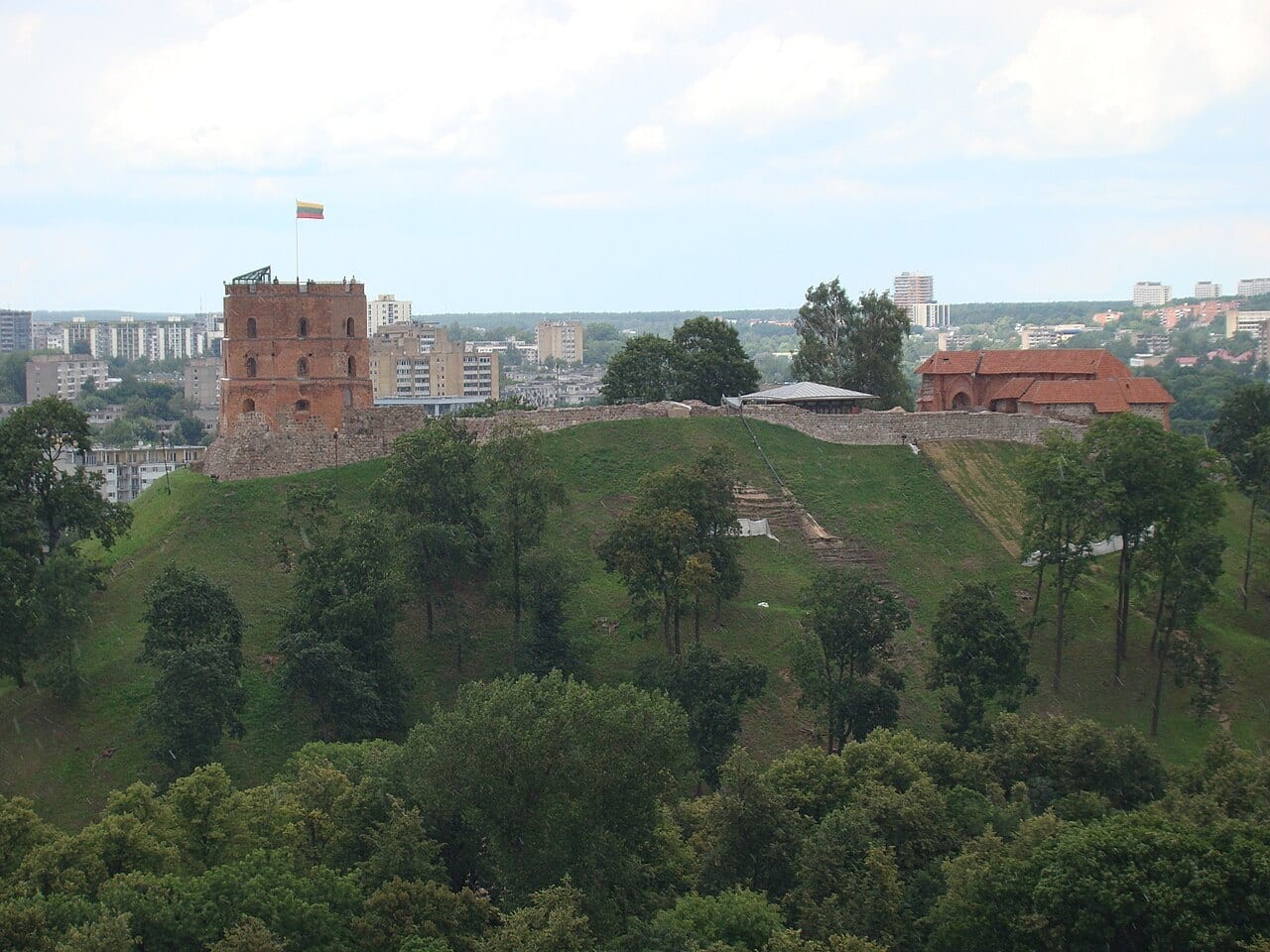
Vilnius is the capital and largest city of Lithuania, recently overtaking Riga as the biggest in the Baltic states. It is best known for its baroque UNESCO World Heritage Old Town (Senamiestis), one of the largest surviving medieval/baroque old towns in Europe, paired with an aggressive ring of modern development on the north bank of the Neris, where the Baltics' largest Central Business District (the Šnipiškės skyscraper district) has risen since 2000. Lithuania has used the euro since 1 January 2015, removing currency risk for euro-denominated investors. The economy underpinning the market is among the EU's most dynamic. Lithuania ranks first in the EU by number of licensed fintech companies, is a world leader in laser/photonics (its lasers are used by most of the world's top universities) and has a fast-growing life-sciences cluster. Vilnius is the hub of this activity, sustaining a deep pool of high-income local and expat tenants. On price, Lithuania has been one of the EU's fastest-appreciating markets over the past decade, house prices rose roughly +168% between 2015 and Q4 2025 (third only to Portugal and Bulgaria, per Eurostat); Vilnius apartments averaged ~€2,930/m² in December 2025, up ~10.7% over the trailing year (Ober-Haus). Gross rental yields citywide sit in the ~5–6% band, below the national average because prime-centre capital values are high relative to rents. Lithuania has NO property golden visa (residence requires genuine active business), and short-term-rental rules are in flux: a 2026 reform is expected to legalise STR in residential/multi-unit buildings (currently a legal grey zone), and the EU short-term-rental registration regime applies from 20 May 2026.