City guides
City guides (435)
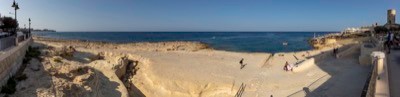
Sliema City Guide
Malta
Sliema is Malta's premier urban, business, and expat residential hub — situated on the northeast coast directly across the harbour from Valletta. The city is anchored by The Strand (Tigné seafront promenade), Tigné Point (the Special Designated Area mixed-use mega-development), Tower Road (the main seafront retail strip), and the densest concentration of multinational financial-services and iGaming offices in Malta. Sliema is Malta's most-rented neighbourhood — with Sliema + St. Julian's + Pembroke commanding €4,500-€6,500/m² (Malta's highest), rents €26+/m²/month (Malta's highest), and 2BR rents reaching €1,400/mo. Sliema is widely considered Malta's most-international city and the focal point of the country's English-speaking expat business community.
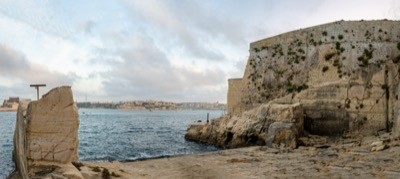
Valletta City Guide
Malta
Valletta is the European Union's smallest capital city — 0.61 square kilometres of UNESCO World Heritage-listed Knights-of-Malta baroque architecture, walled fortifications, and grid-planned 16th-century streets at the tip of the Sciberras peninsula. The entire city has been a UNESCO World Heritage Site since 1980. Population is just 5,226 (July 2024) — making Valletta one of Europe's most concentrated and architecturally coherent capital cities. Property prices reach €7,500/m² for prime sea-view apartments in the historic walled city, with broader Malta averaging €3,000-€3,300/m². Foreign buyers face Malta's AIP Permit framework outside Special Designated Areas (SDAs); EU citizens with 5+ years Malta residence are exempt. Valletta's heritage protection limits new construction — property is overwhelmingly renovated historic stock, with restoration projects defining the most desirable inventory. The city anchors Malta's tourism, government, financial-services, and cruise-port economies.
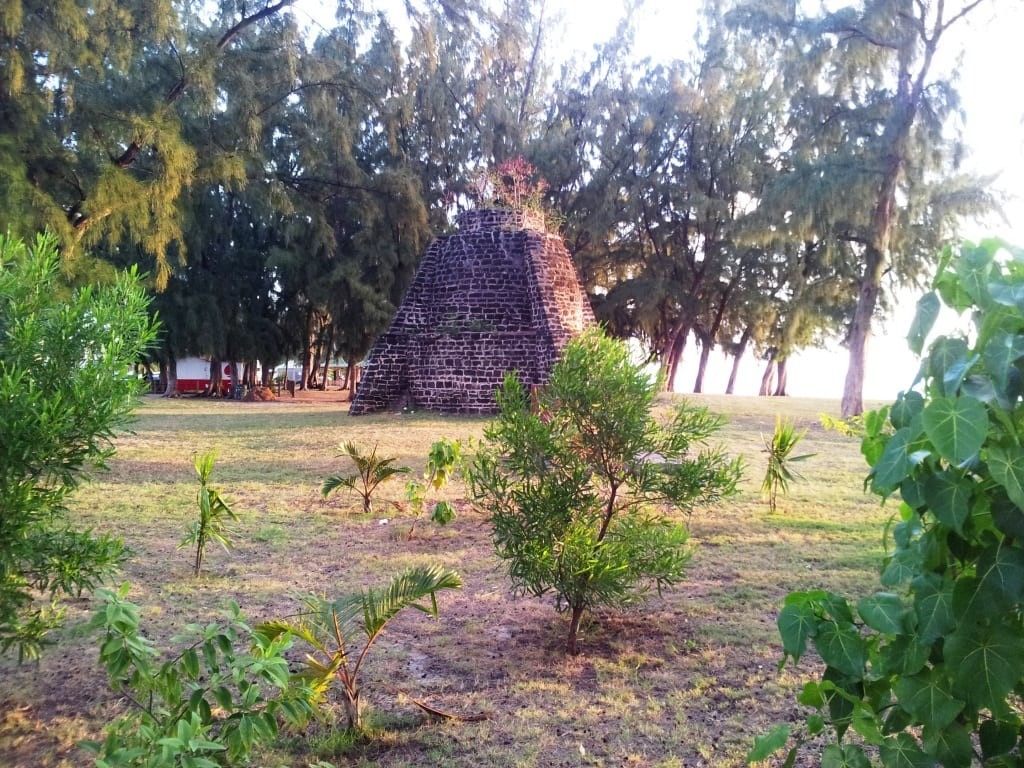

Flic-en-Flac City Guide
Mauritius
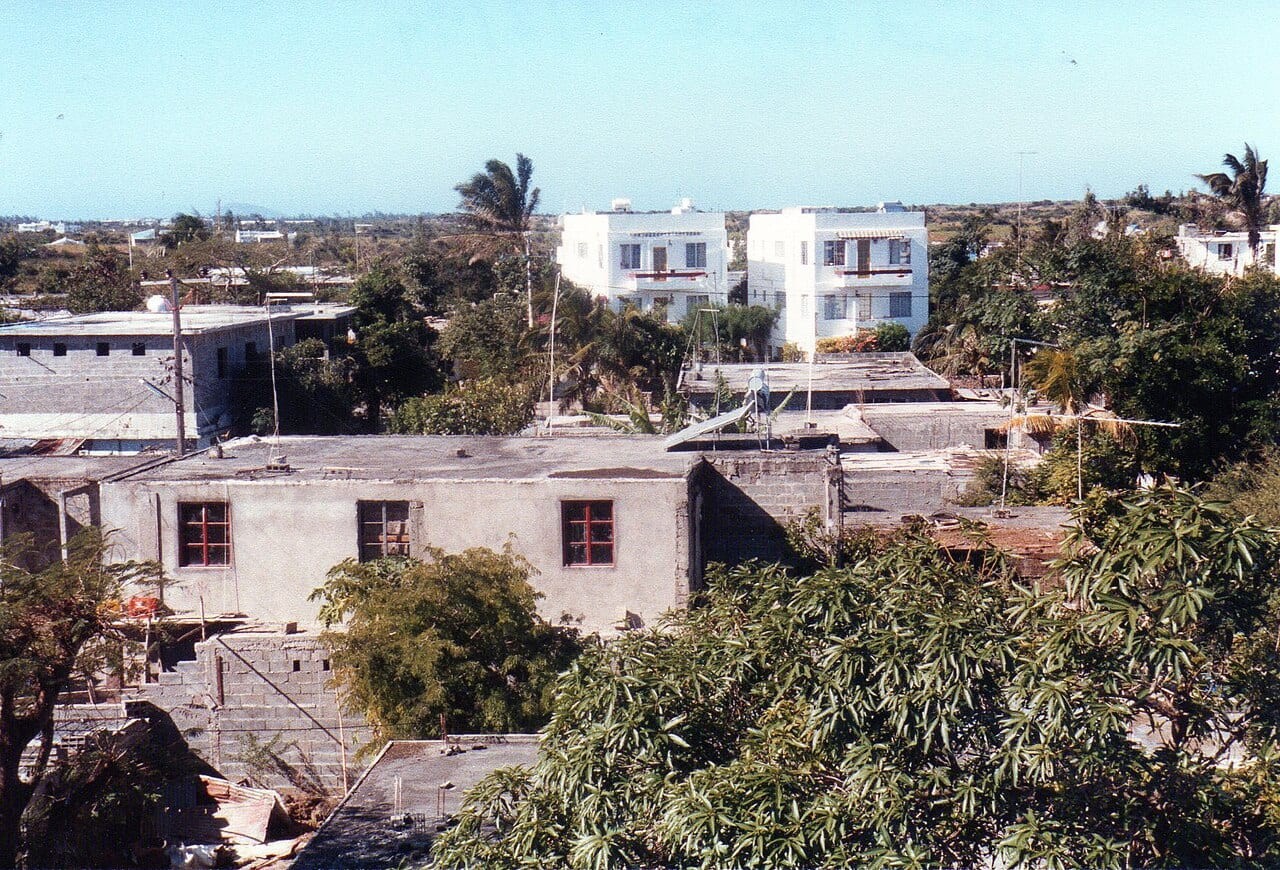
Flic-en-Flac is Mauritius's principal west-coast beach town, fronting one of the island's longest stretches of white sand and a calm, reef-protected lagoon. For foreign buyers it is one of the most accessible entry points into the island's regulated investment schemes: the Property Development Scheme (PDS) allows non-citizens to purchase at a minimum of USD 375,000, which also confers a renewable residence permit for the holder and dependents. Local agents place beachfront stock here roughly 15-20% below comparable Grand Baie prices in the north, broadening the buyer pool. The town's draw is lifestyle and tourist-rental income: diving, water sports, the nearby Casela nature park, and easy access to Port Louis via improved highway links. PDS pipeline projects of apartments, penthouses, and villas are scheduled through 2026, supported by the Cascavelle Shopping Village expansion. Note that the resident town population is small (around 2,000), so demand is overwhelmingly tourism- and second-home-driven rather than domestic. With Mauritius's 15% flat tax, no inheritance tax, and political stability, Flic-en-Flac suits lifestyle investors seeking sun, beach, and residency in a single purchase.
Grand Baie (Mauritius North Coast) City Guide
Mauritius
Mauritius is the Indian Ocean's premier property-investment destination, a politically stable, English/French-speaking island with a low-tax regime (no capital-gains or inheritance tax) and a property-linked residency programme that is unusually generous by global standards. Foreigners cannot buy residential land freely; they purchase through government-approved schemes administered by the Economic Development Board, primarily the Property Development Scheme (PDS, which replaced IRS/RES in 2015), the Smart City Scheme, and Ground+2 (G+2) apartments. The headline draw is direct: buying a qualifying property worth at least US$375,000 under PDS or Smart City grants the buyer and dependents a residence permit, valid for as long as the property is held. Grand Baie is the undisputed resort and lifestyle capital of the north coast, the 'Côte d'Azur of Mauritius'. It pairs a sheltered turquoise bay with the island's densest concentration of fine dining, nightlife, retail (La Croisette mall with 110+ stores; Grand Baie Coeur de Ville), marinas and watersports. This lifestyle infrastructure underpins the strongest property values on the island, anchoring a cluster of prime northern coastal villages (Pereybere, Pointe aux Canonniers, Mont Choisy, Cap Malheureux, Grand Gaube) that share its amenity base at distinct price points. Property in the prime segment is priced and transacted in EUR or USD even though the local currency is the Mauritian rupee (MUR), insulating overseas buyers from currency noise. The thesis combines lifestyle, residency, a benign tax environment and robust short-let demand from year-round tourism. NOTE, time-critical fiscal change: foreign-buyer registration duty doubles from 5% to 10% on deeds registered from 1 July 2026 (Finance Act 2025).
Chișinău City Guide
Moldova
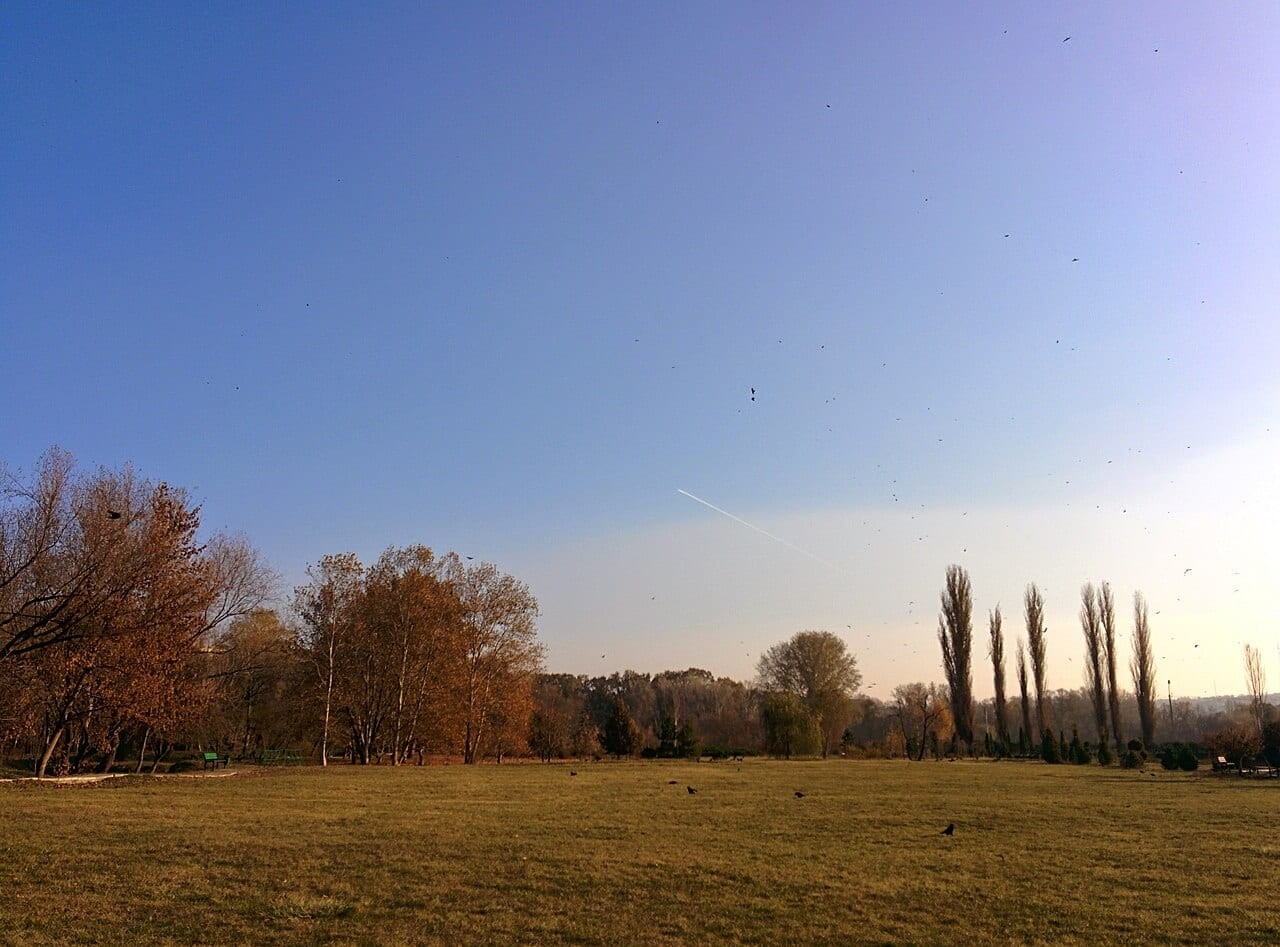
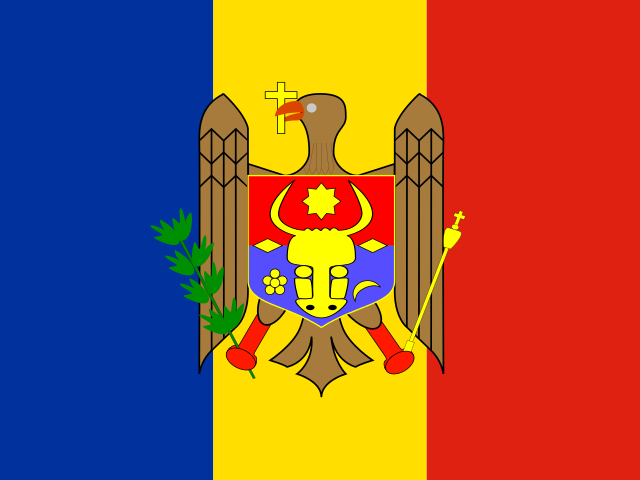
Chișinău is the capital and largest city of Moldova and the undisputed centre of the country's economy, government, and property market, home to the great majority of national commercial activity within the Chișinău Municipality. As Moldova advances its EU-candidate path, the capital has seen sharp price appreciation: apartment values reached a record of about €1,720 (≈US$1,860) per square metre by end-March 2025, up 11.7% from end-2024, before largely plateauing through the rest of the year. Newer 'white-shell' apartments trade above €1,400/m² while older Soviet-era stock sits nearer €970/m². The standout feature for investors is yield, Moldova's gross rental yield averaged about 8.65% in Q3 2025, among the highest in Europe, driven by strong rental demand from internal migration to the capital, diaspora investment, and a structural housing shortage where demand is estimated to outstrip supply by 20–30%. Rents grew 25–30% in 2024. The risks are significant, however: transaction volumes fell about 37% year-on-year in the first three quarters of 2025 as effective demand softened, and Moldova's proximity to the war in Ukraine, its small economy, and political uncertainty all weigh on the outlook.

Monaco City Guide
Monaco
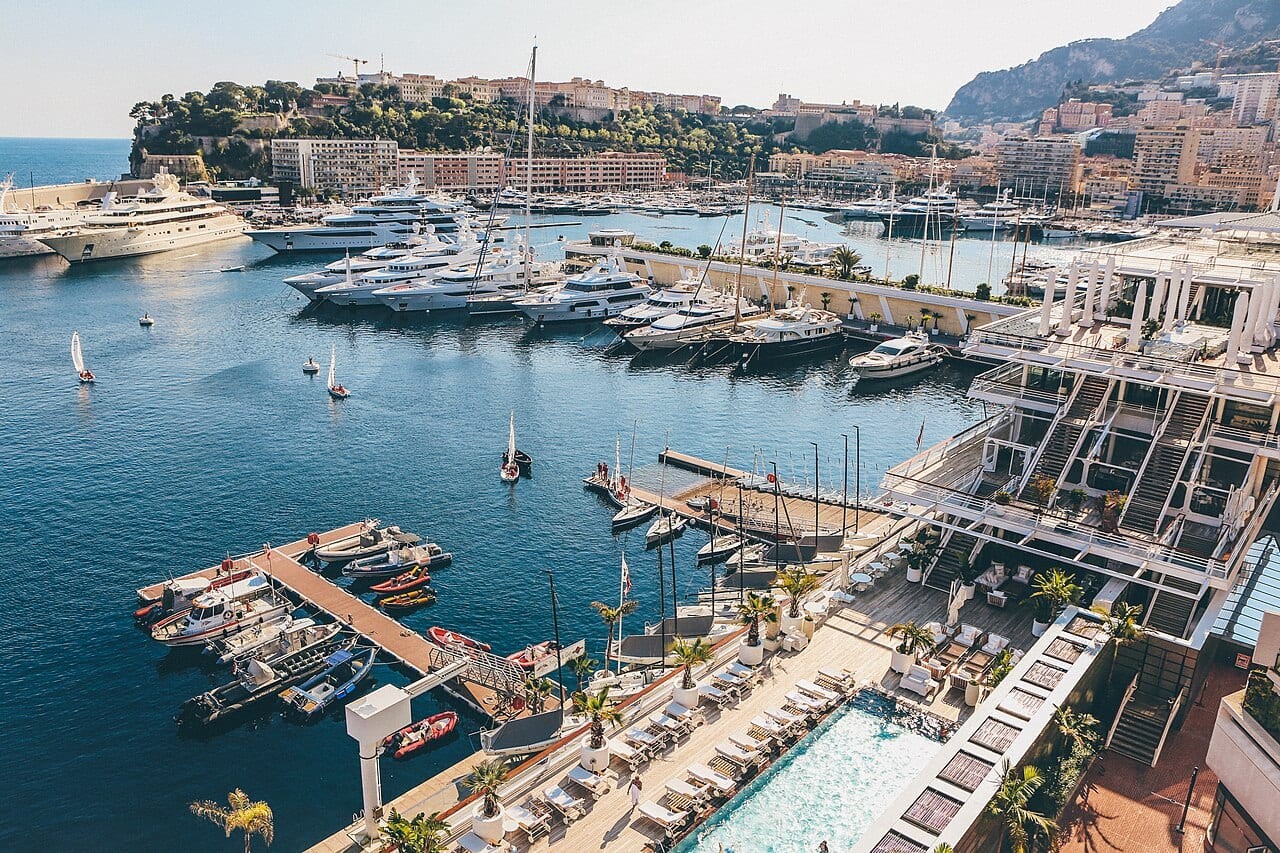
The Principality of Monaco is the world's most expensive residential market and a zero-personal-income-tax ultra-prime safe haven, where structural land scarcity (just ~2 km²) and demand from 140+ nationalities keep capital values among the highest on earth. Resale prices average around €52,000/m², reaching €100,000+/m² in trophy buildings and the new Mareterra eco-district. The state-affiliated Société des Bains de Mer anchors a luxury economy around the Casino de Monte-Carlo and its flagship hotels and beach clubs. For investors it is a capital-preservation and lifestyle play: yields are among the world's lowest (~1.5–3%), but scarcity has driven roughly 5% average annual price growth over three decades.
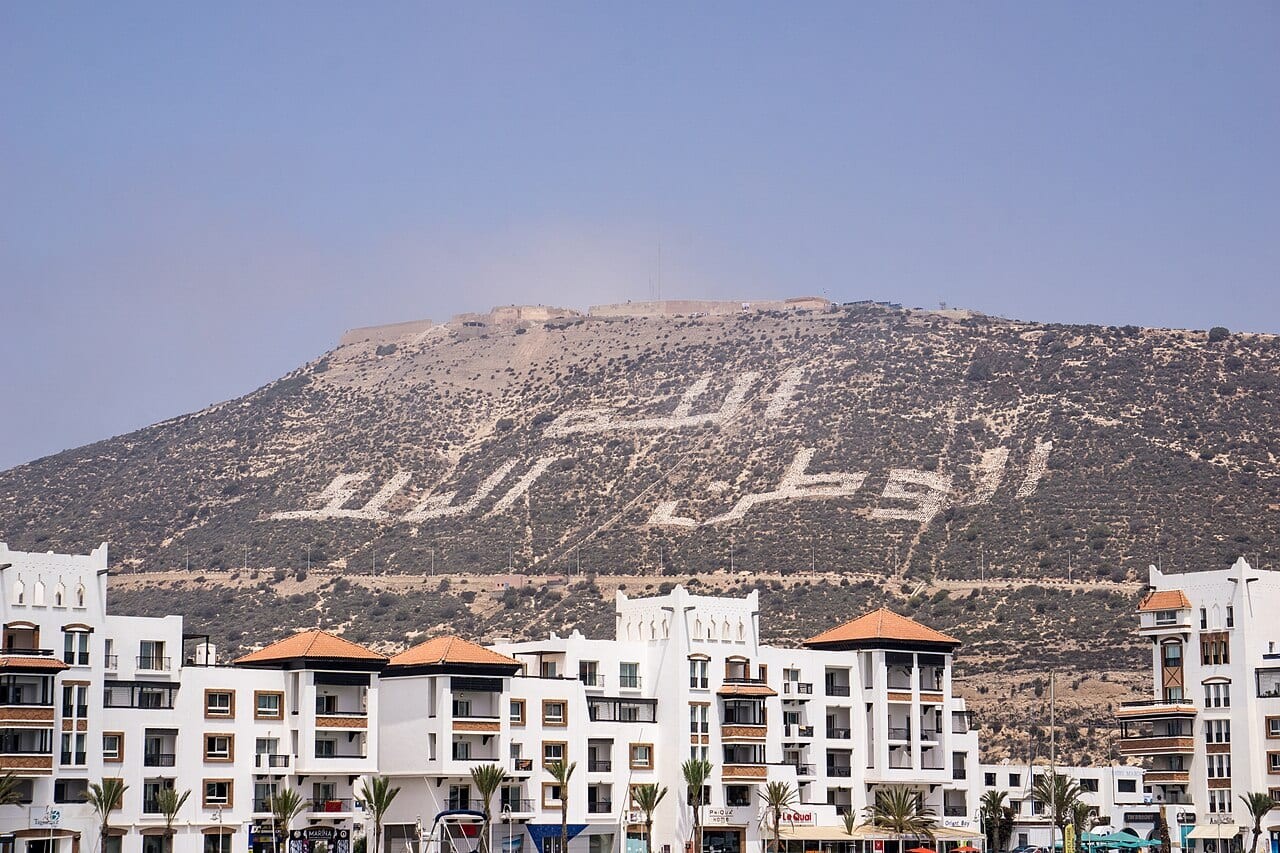
Agadir City Guide
Morocco
Agadir is Morocco's premier Atlantic beach-resort city and capital of the Souss-Massa region, rebuilt on a modern grid after the 1960 earthquake and marketed on 300-plus sunshine days, a long sandy bay and steady tourism. Foreigners may freely buy urban and residential property here, with agricultural land the only significant restriction. As of September 2025 city-centre apartments averaged about MAD 12,800/m2 and suburban stock about MAD 9,400/m2, and nominal prices were broadly flat to slightly negative over the year, a neutral-to-soft signal worth noting. Yields vary sharply by district: premium expatriate-targeted apartments in Founty and Sonaba run roughly 6-7% gross, while budget stock in Talborjt and outer areas can reach 8-10%, albeit with Talborjt now seen as approaching saturation. The blended city average is about 4.8%.
Casablanca
Morocco
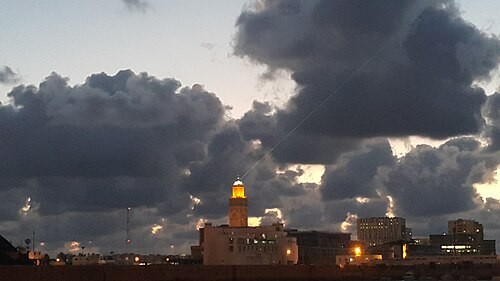
Casablanca is Morocco's economic capital and largest city -- the country's commercial, banking, and industrial centre. Unlike tourism-driven Marrakech, Casablanca is a working business city anchored by the Casablanca Finance City (CFC) -- a regulated financial hub designed to be Africa's financial gateway, alongside Royal Air Maroc HQ, OCP (one of the world's largest phosphate producers), and major Moroccan banks. Residential prices in prime districts (Anfa, Maarif, CIL, Bourgogne, Gauthier) range from MAD 12,000-25,000 per square metre (USD 1,200-2,500), with gross yields of 5.0-7.0%. The market is dominated by long-term rental tenants -- corporate executives, finance professionals, and international workers at multinational regional offices. For international buyers, Casablanca offers African financial hub status, USD/EUR-stable currency, no foreign ownership restrictions, and a more institutional tenant base than Marrakech. The catch: it's a working city without Marrakech's tourist appeal, short-let opportunities are limited, and traffic and urban density are challenging.
Fez City Guide
Morocco
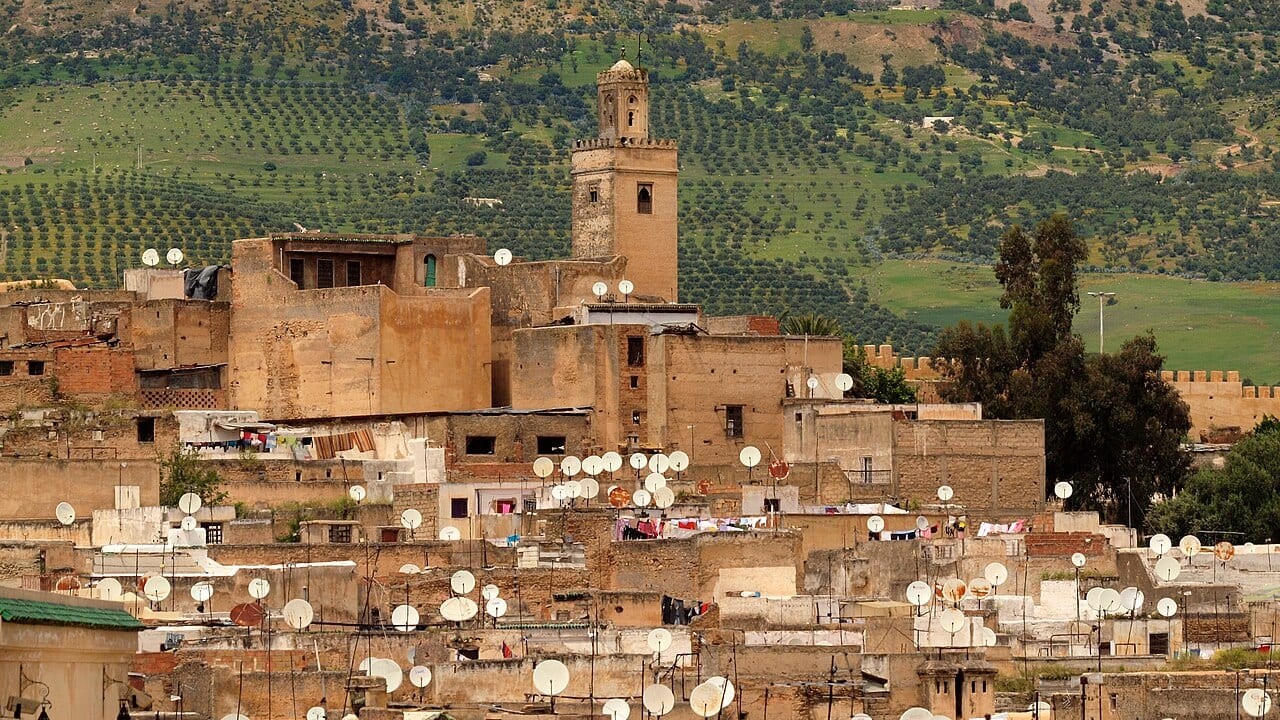
Fez is Morocco's spiritual and cultural capital in the Fès-Meknès region, home to Fès el-Bali, the world's largest car-free urban area and a UNESCO World Heritage medina founded in the 9th century. Morocco is one of the more open North African markets for foreigners, who may freely buy urban and residential property; the only major restriction is on agricultural land, which non-citizens generally cannot own outright. Fez is a slower, value-oriented market than Marrakech or Casablanca, with transaction volumes rising in 2025 and property near announced infrastructure projects gaining a modest 5-10% during planning and a further 10-15% on completion. Investors split between heritage riads in the medina, which suit boutique guesthouse conversions but carry high renovation and access costs, and modern apartments in Ville Nouvelle and the Narjiss district, where rental demand is steadier. Gross residential yields are moderate at roughly 5-7%.
Marrakech
Morocco
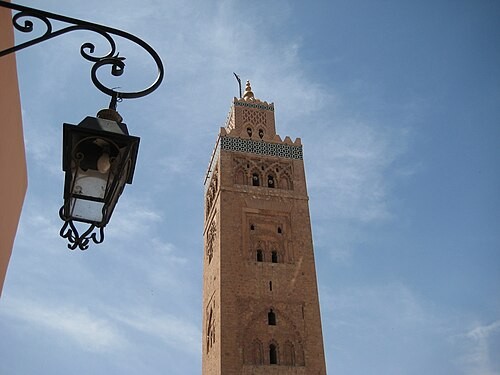
Marrakech is Morocco's most internationally recognised city -- the 'Red City' of UNESCO-listed medina, ochre walls, Atlas Mountain backdrop, and a tourism economy that has drawn European retirees, second-home buyers, and creative-class purchasers for decades. The city is consistently one of North Africa's strongest property markets for foreign buyers. Residential prices vary widely by sub-market: traditional riads in the medina sell for MAD 8,000-15,000 per square metre, while villas in the Palmeraie or Hivernage districts run MAD 15,000-30,000 per square metre (USD 1,500-3,000). Modern apartments in Gueliz are MAD 10,000-18,000 per sqm. Gross yields on short-let riads can reach 8-12% with good management; long-let yields are more modest at 4-6%. For international buyers, Marrakech offers Mediterranean lifestyle, strong tourism-driven short-let yields, freehold for foreigners with no restrictions, USD/EUR-stable MAD (managed peg basket), and a well-established expatriate community. The catch: liquidity is patchy outside core districts, the riad renovation market has hidden complexity, and resale times can run 6-18 months.
Rabat City Guide
Morocco
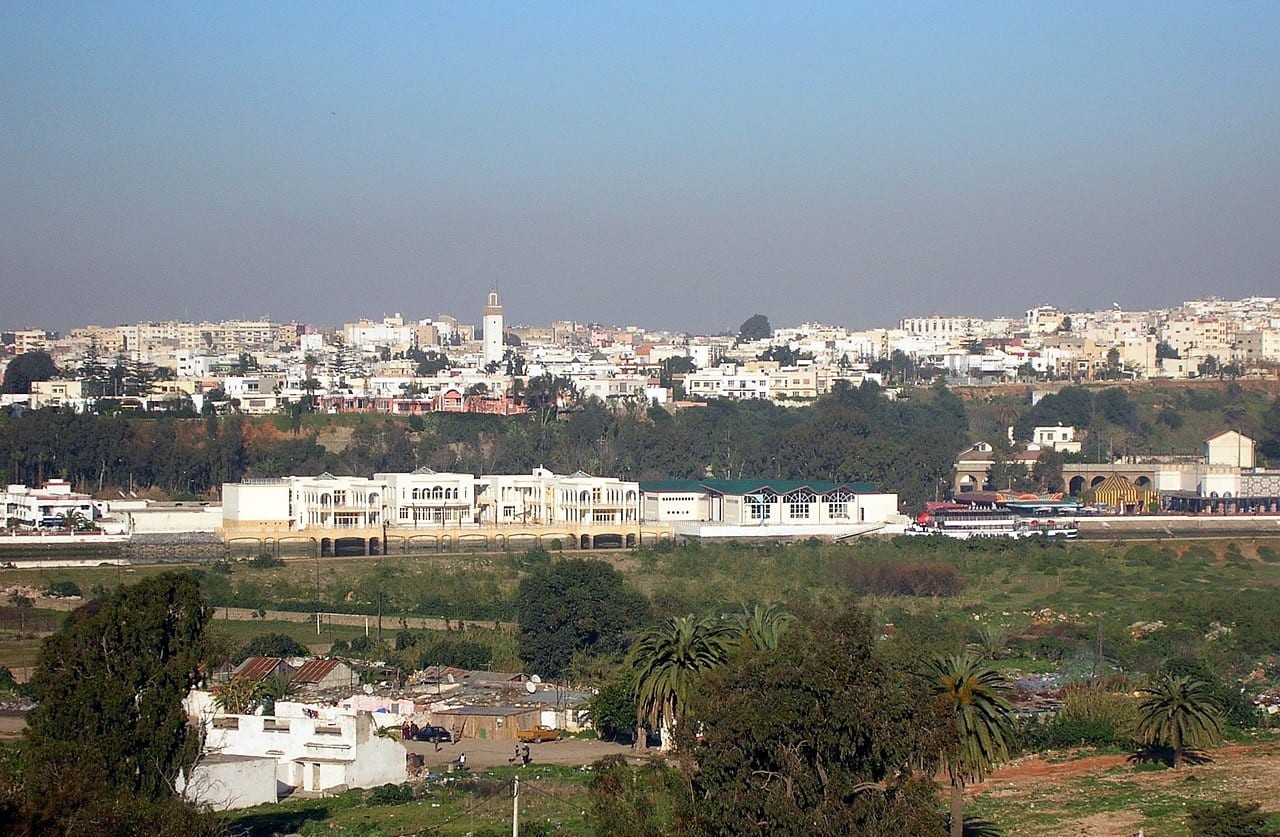
Morocco's political capital and a UNESCO World Heritage city, Rabat combines administrative stability with the country's strongest recent property momentum. As the seat of government and diplomacy, the city draws steady demand from civil servants, embassies, professionals, and a large returning diaspora - a tenant base less cyclical than tourism-led Marrakech or commercial Casablanca. Investment activity concentrates on the leafy prime districts of Agdal and Hay Riad, the premium villa enclaves of Souissi and L’Orangeraie, fast-appreciating El Menzeh, and the gentrifying Bouregreg waterfront and Bab Al Bahr zone across the river in Salé. Average prices sit around MAD 14,000 per square metre, rising beyond MAD 20,000 in prime Souissi, while three-bedroom apartments in Agdal trade at MAD 2-3.5 million. In late 2025 Rabat posted the strongest quarterly performance of Morocco's major cities - prices up 3.2% and transactions up 27% in a single quarter, outpacing Casablanca and Marrakech. With the Rabat-Salé tramway extension and improved highway links opening up previously overlooked areas, the city pairs 5-7% gross rental yields with steady appreciation for total-return-focused investors.
Tangier City Guide
Morocco
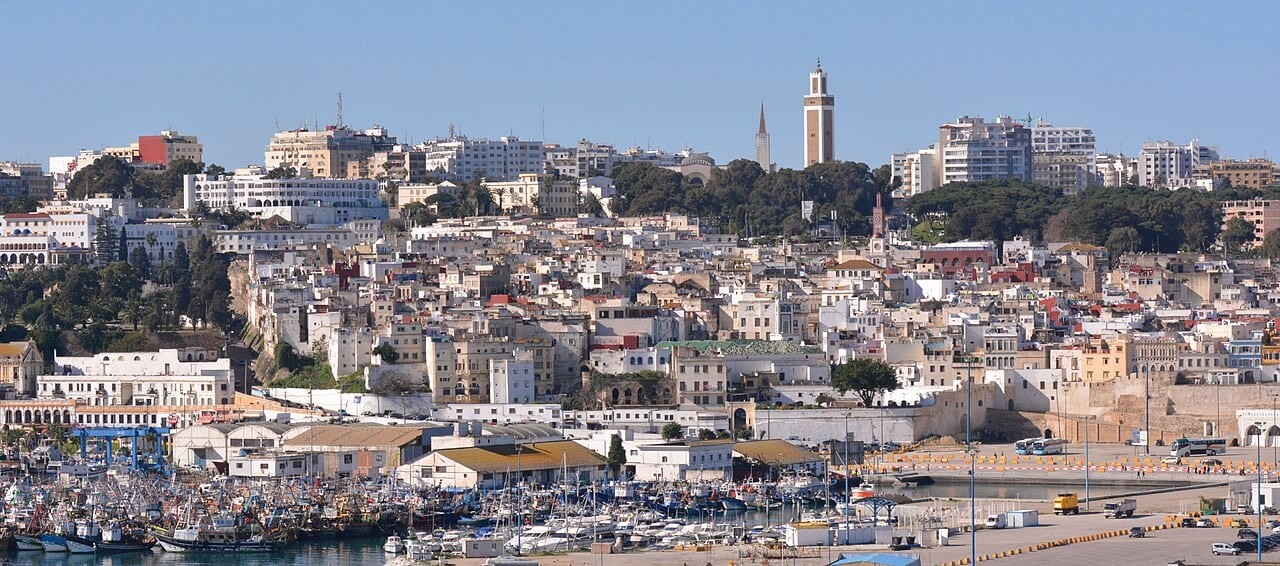
Guarding the Strait of Gibraltar at the meeting point of the Mediterranean and the Atlantic, Tangier has transformed from a faded international city into one of North Africa's most dynamic industrial and logistics hubs. The catalyst is Tanger-Med, Africa's largest port, whose expansion has drawn manufacturing, free-zone activity, and a wave of employment that is reshaping property demand across the metropolitan area. Investment focus centres on the seafront prime districts of Malabata and Iberia, the historic Medina, the city centre, and the new-build corridors radiating toward the port and free zones. Apartments average MAD 10,800-14,200 per square metre as of late 2025, with prime Malabata and Iberia commanding MAD 13,500-14,200 and luxury villas reaching MAD 16,300-18,500. Prices remain roughly 15% below comparable Casablanca stock, leaving room for the gap to narrow. The residential market has grown 4-6% annually - with prime seafront areas up 15-20% on infrastructure and the upcoming Africa Cup of Nations - while citywide gross rental yields average around 6.8%, rising toward 8-9% for well-run short-term holiday lets.
Amsterdam
Netherlands
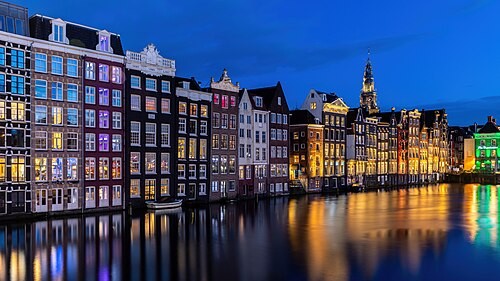
Amsterdam is the Netherlands' undisputed economic, cultural, and financial centre, and one of Europe's most expensive property markets per square metre. The city's UNESCO-listed canal belt, world-class tech sector, and post-Brexit financial services expansion combine with a chronic housing shortage to make Amsterdam one of Europe's most demand-saturated markets. Average residential prices run EUR 7,500-13,500 per square metre in central districts (Centrum, De Pijp, Jordaan, Oud-Zuid), with rental yields of 3.5-4.8% gross. The 2024 Wet Betaalbare Huur (Affordable Rents Act) extended mid-market rent caps to roughly 75% of the rental stock -- a major hit to buy-to-let yields -- while the 2026 transfer tax for non-owner-occupiers stands at 10.4%. Investors should model both carefully. For international buyers, Amsterdam offers world-class English-friendly professional services, an Anglosphere-style legal system on property, and the EU's most diversified tenant base (tech, finance, life sciences, creative industries). The catch: yields are tight, transaction taxes are punitive for non-owner-occupiers, and the regulatory environment has tilted decisively toward affordability.
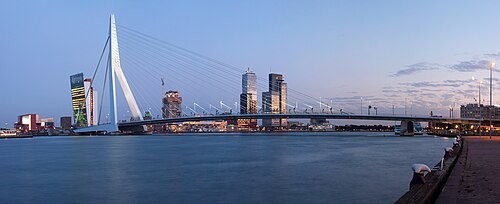
Rotterdam
Netherlands
Rotterdam is Europe's largest port and the Netherlands' second city -- a working, gritty, architecturally bold counterpoint to Amsterdam's heritage charm. After WWII levelled the city centre, Rotterdam rebuilt as a showcase of modernist and contemporary architecture (Erasmus Bridge, Markthal, De Rotterdam, Cube Houses), giving it a distinct identity and tourist appeal. The property market offers 25-35% better value than Amsterdam on a price-per-square-metre basis: EUR 4,500-7,500 in central districts, with rental yields of 4.5-6.0% gross -- materially better than Amsterdam. Rotterdam has been the favoured Dutch alternative for value-focused international buyers since 2018, and prices have grown ~70% over the past decade. For international buyers, Rotterdam offers a working-port logistics economy (less cyclical than Amsterdam's tech/finance mix), strong tenant demand from Erasmus University students and port-related professionals, and English-friendly services. The same 2024 rent caps and 10.4% transfer tax apply as elsewhere in NL. Best suited for income-focused investors comfortable trading prestige for yield.
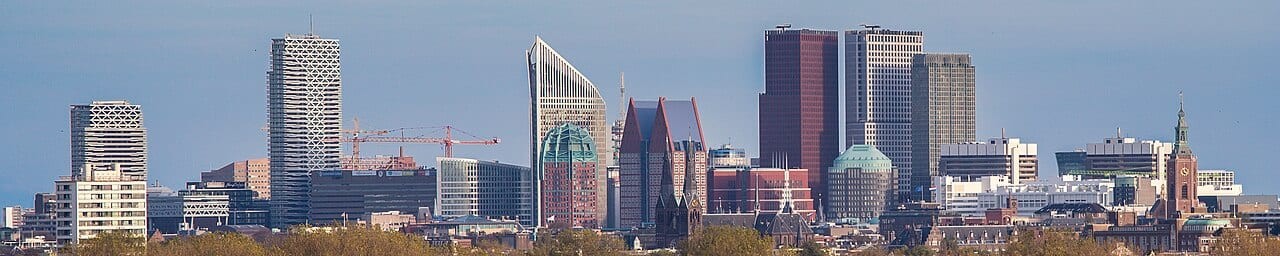
The Hague City Guide
Netherlands
The Netherlands' seat of government and the international city of peace and justice, home to the International Court of Justice, Europol and more than 200 international organisations, The Hague offers investors a uniquely stable, expat-driven rental market on the North Sea coast. A vast civil-service workforce and a dense diplomatic community generate exceptionally durable demand, particularly in the elegant Statenkwartier and Archipelbuurt districts, where embassies and a walkable cosmopolitan character keep vacancy below 2% and 90–180 sqm apartments and townhouses range from €600,000 to €1,200,000. Among Dutch cities, The Hague stands out for income: its one-bedroom segment posts gross yields around 7.4% and monitored submarkets register the highest potential performance in the country at roughly 7.1%, well above Amsterdam, reflecting strong, government- and expat-anchored tenant demand against more moderate price levels. Major regeneration in the Central Innovation District (CID) and the former-industrial Binckhorst is expanding the supply pipeline and lifting demand. With Dutch national prices forecast to rise a moderate 4–5.5% in 2026 after the steeper gains of 2025, The Hague combines best-in-class Dutch rental yields, defensive tenant quality and steady appreciation, making it the country's standout choice for income-focused buyers.
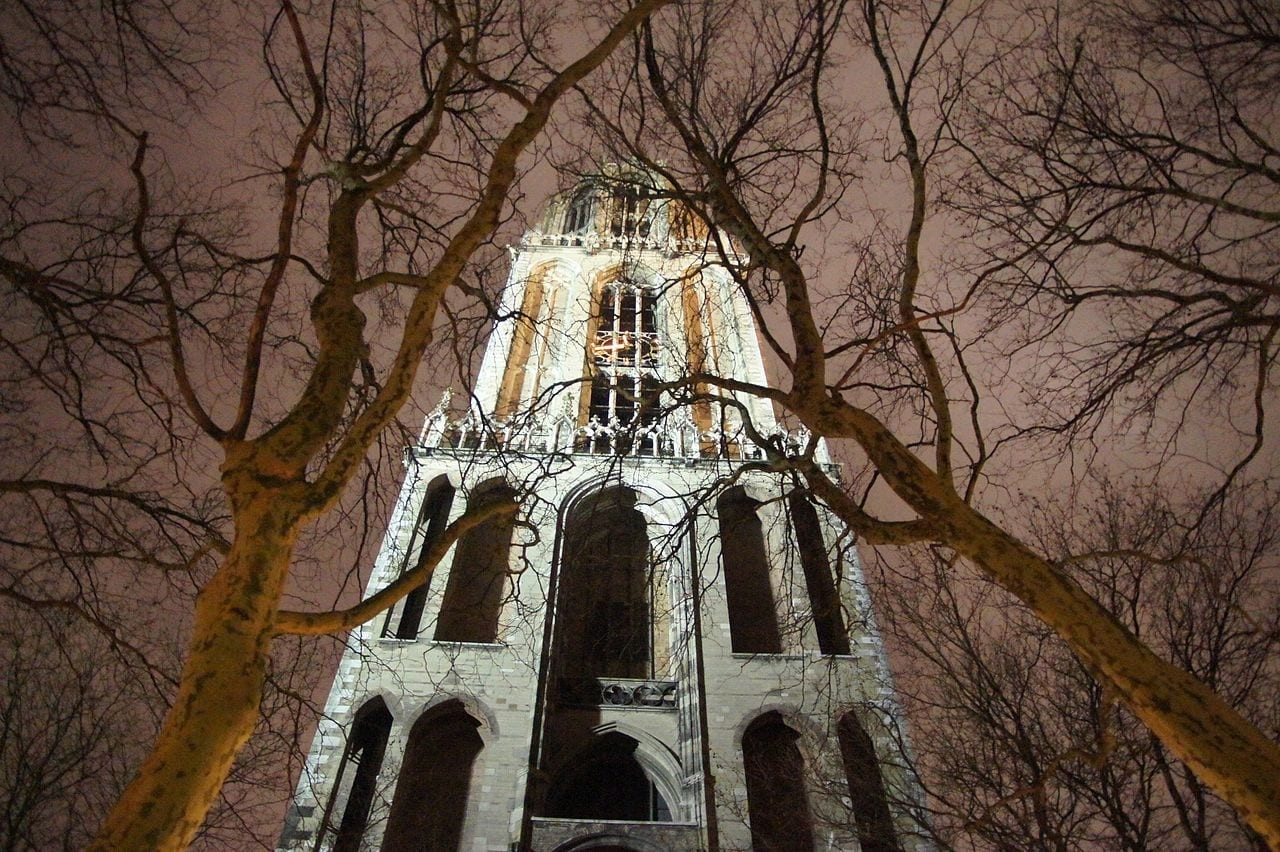
Utrecht City Guide
Netherlands
Sitting at the dead centre of the Netherlands and the country's main rail crossroads, Utrecht is the fastest-growing of the major Dutch cities and one of the most supply-constrained, a combination that has made it a standout for both rental yield and long-term capital appreciation. The medieval Binnenstad (old town), with its canal-level wharves, commands the highest prices at around €6,500 per square metre, while gentrifying districts like Lombok and family-friendly Wittevrouwen and Oog in Al offer relative value; the gap between the cheapest neighbourhood (Overvecht, near €4,000/sqm) and the priciest is roughly 60%. The median home price sits around €575,000, and properties typically sell about 8% above asking in a market where renter demand is outpacing new supply. Yields are strong by Dutch standards, studio and one-bedroom segments reach roughly 7.4% gross (with net yields of 4.8–6.3%), supported by a large student and young-professional population anchored by Utrecht University, the Netherlands' largest. The Merwede district buildout and the new Merwedelijn tram line are major catalysts adding thousands of homes and lifting connectivity. With national prices forecast to climb 4–5.5% in 2026 and the Utrecht region expected to outpace Amsterdam, the city offers investors a rare blend of high yield and durable growth.
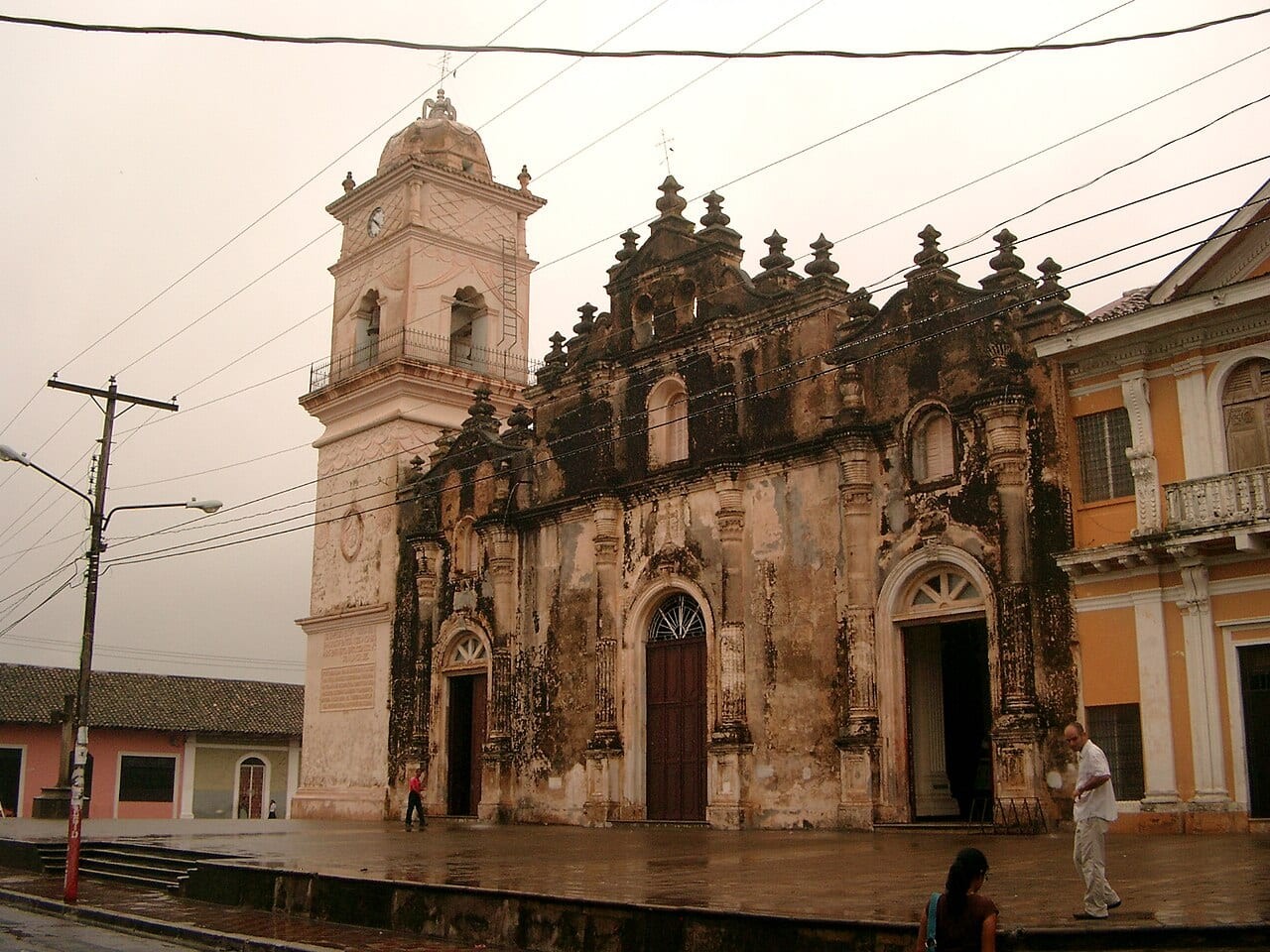

Granada
Nicaragua
Granada is Nicaragua's marquee heritage market and the country's most established foreign-buyer destination. Founded in 1524 on the shores of Lake Cocibolca, its grid of cobblestone streets and pastel colonial facades draws retirees, lifestyle migrants and boutique-hotel operators. In 2026 restored colonial homes trade at roughly USD 878 per square metre on average, with premium Centro Historico properties commanding USD 1,150 to 2,200 per square metre; entry-level character homes still start near USD 60,000 while turnkey restored houses run USD 80,000 to 200,000 and trophy courtyard mansions reach USD 500,000. Short-term rental occupancy of restored homes sits around 60 to 70 percent at average daily rates of EUR 80 to 100, but net yields settle near 4 to 5 percent once management, maintenance of old structures and seasonality are counted, making Granada primarily a capital-appreciation and lifestyle play. The colonial core is forecast to grow 7 to 10 percent in 2026 and 35 to 50 percent cumulatively over five years on limited restored-home supply. Foreigners enjoy full ownership rights identical to nationals, no residency is required to buy, and property purchases of USD 50,000 or more qualify for Nicaragua's investor-residency program. Note the January 2025 currency law requiring domestic pricing in cordobas, though foreign-currency housing payments remain exempt.
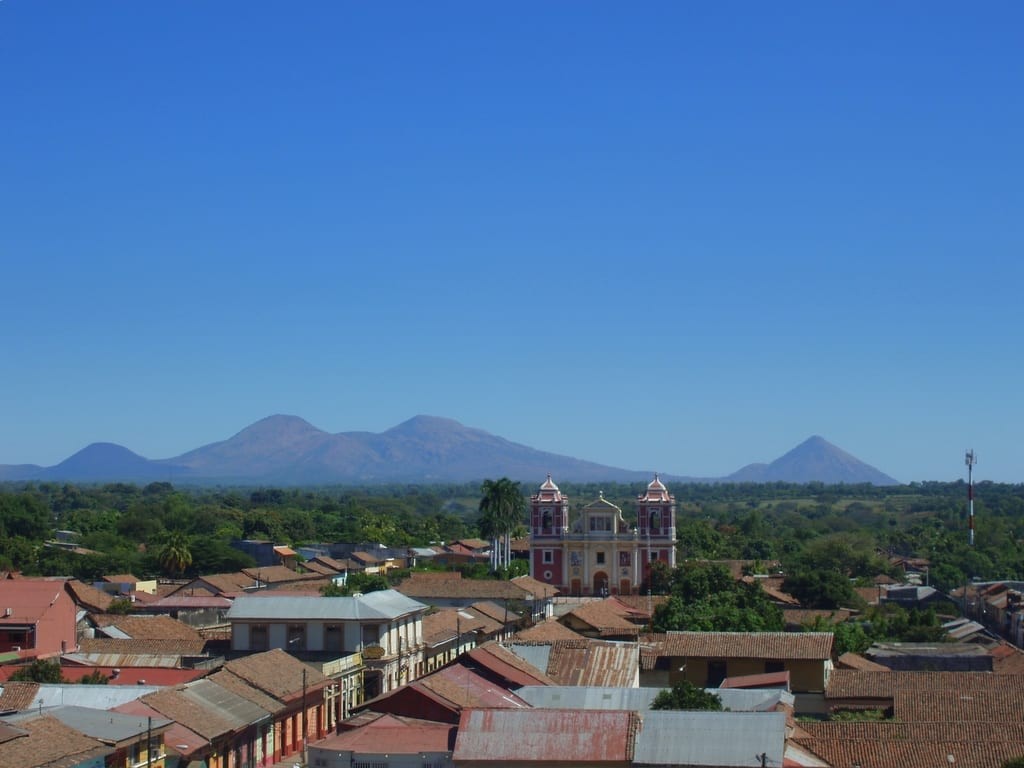
León
Nicaragua
León is Nicaragua's cultural and university capital, a younger, more affordable and year-round-busy alternative to Granada anchored by the UNESCO-listed Basilica Cathedral, the country's largest, and the national university (UNAN-León). Its colonial historic centre, active arts and music scene and steady student population create a foundation of rental demand that Granada's tourism-led market lacks. Prices are meaningfully below Granada: entry colonial homes start near USD 60,000, restored character houses run USD 80,000 to 180,000, and per-square-metre values in the centre generally fall in the USD 600 to 1,100 range, below Granada's USD 878 average. Long-term rentals to students, faculty and professionals deliver steadier 6 to 7 percent gross yields with lower seasonality than tourist-dependent markets, while boutique-hotel and seasonal-rental conversions tap a growing tourism stream toward nearby Pacific beaches and the volcano-boarding scene at Cerro Negro. León's historic core is among the country's strongest long-term-rental demand zones and is forecast to share in the 5 to 7 percent national appreciation, with restored heritage supply tightening. Foreigners own property outright with full rights and no residency requirement; USD 50,000-plus purchases qualify for investor residency, and the January 2025 currency law permits foreign-currency housing payments.
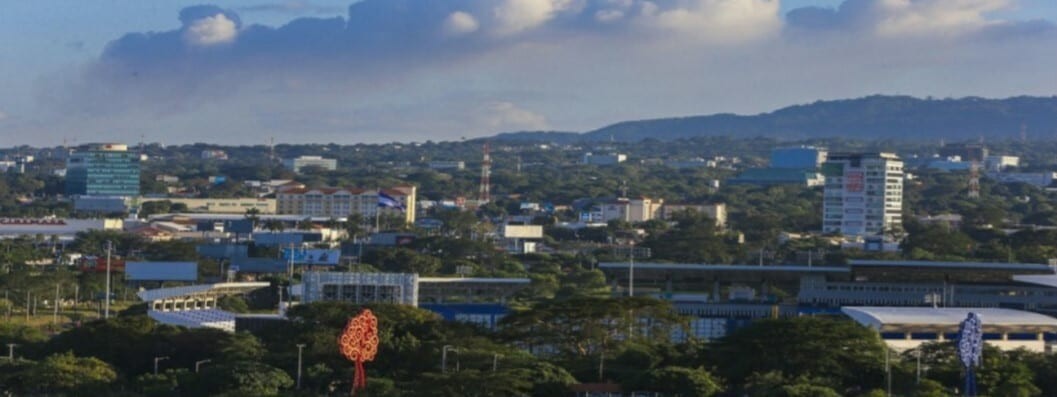
Managua
Nicaragua
Managua, the capital and the country's economic engine, is Nicaragua's primary urban rental market, anchored by the secure Carretera a Masaya corridor where expat, corporate and diplomatic tenants concentrate. Citywide apartments average roughly USD 980 per square metre versus USD 700 for houses, but prime corridors such as Santo Domingo, Las Colinas and Villa Fontana command USD 850 to 1,700 per square metre, with Santo Domingo the only area clearly crossing the C$80,000-per-m² threshold. The national average property price sits near USD 105,000 in early 2026, with Managua prices up about 6 percent year on year in nominal USD terms. A typical two-bedroom apartment rents for around USD 520 a month, while premium Santo Domingo and gated-community units fetch up to USD 1,400-plus, producing the country's most reliable long-term rental yields of roughly 6 to 7.5 percent gross thanks to genuine year-round corporate and expat demand rather than seasonal tourism. The 12-month outlook is modest 3 to 7 percent appreciation, with prime urban segments capable of up to 10 to 12 percent. Foreigners own residential property outright with no nationality restriction or residency requirement, and a USD 50,000-plus purchase qualifies for investor residency; the January 2025 currency law mandates cordoba pricing domestically while exempting foreign-currency housing payments.
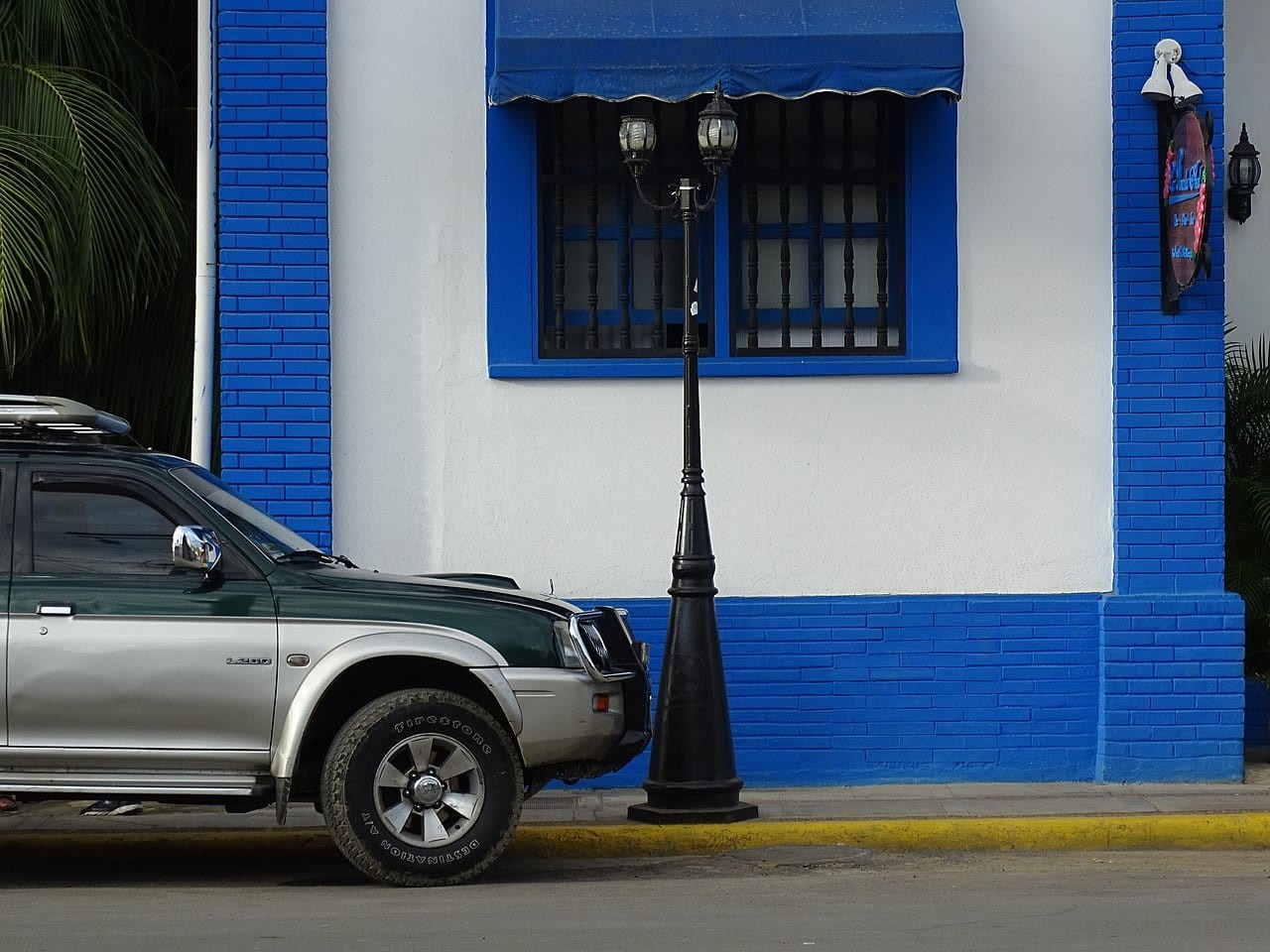
San Juan del Sur
Nicaragua
San Juan del Sur is Nicaragua's premier Pacific beach and surf market and the country's most internationalised coastal real-estate destination, anchoring the wider Rivas growth belt that extends north to Tola and Popoyo. In 2026 prices average around USD 2,200 per square metre, the highest in Nicaragua, yet remain a fraction of comparable Costa Rica or Panama coastline. The investor sweet spot runs USD 300,000 to 450,000 for a three- to four-bedroom ocean-view home with pool and modern finishes, while beachfront condos and smaller homes start at USD 150,000 to 250,000. Short-term rental nightly rates run USD 160 to 180 (top homes USD 379-plus), but tourist-hub STR occupancy sits at a realistic 30 to 33 percent, so gross yields land in the 6 to 7.5 percent national range and the asset is mostly a long-term capital-gains play, with Nicaragua's cumulative five-year price growth projected near 28 percent. Foreigners can own titled inland and hillside property outright with no residency requirement, and a purchase of USD 50,000-plus qualifies for investor residency, but buyers must respect Ley 690 coastal public-domain zones, where beach-frontage strips cannot be privately titled, and confirm the chain of title carefully on coastal parcels.