City guides
City guides (435)
Copenhagen
Denmark
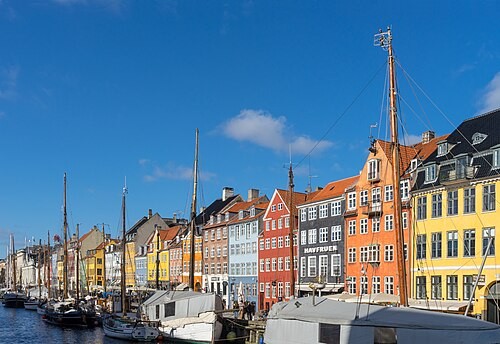
Copenhagen is Denmark's capital, the largest city in Scandinavia by metropolitan population, and consistently a top-5 global liveability ranker. The city is the centre of the Oresund cross-border region (linking to Sweden's Malmo), a major life-sciences cluster (Novo Nordisk, Lundbeck, Genmab), and one of Europe's most committed climate-action capitals. Central districts (Indre By, Frederiksberg, Vesterbro, Norrebro, Osterbro) command DKK 50,000-85,000 per square metre (EUR 6,700-11,400), with gross yields of 3.2-4.5%. The Danish market features a unique andelsbolig cooperative system alongside conventional freehold -- both accessible to foreign buyers, but cooperative purchases need board approval. Mortgage rates have eased since 2024 (Danmarks Nationalbank tracks ECB cuts), supporting renewed price growth after 2022-23 softness. For international buyers, Copenhagen offers EU standing, English-friendly business and education systems, strong rental demand from life sciences and tech tenants, and the lifestyle premium of one of Europe's most liveable cities. The catch: Denmark's foreign-buyer permission requirement applies to non-EU/EEA nationals (a Justice Ministry approval), and high transaction costs (~6-8% all-in).

Roseau City Guide
Dominica
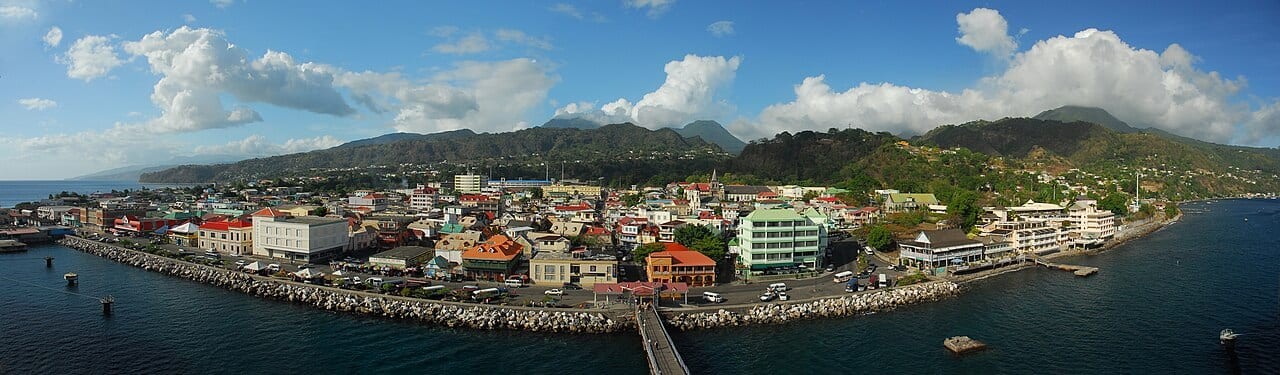
Roseau is the capital and largest city of Dominica, a compact colonial settlement on the island's south-west coast within Saint George Parish, hemmed between the Caribbean Sea and the Roseau River. As the administrative, commercial, and cruise centre of the 'Nature Island', it offers the most developed infrastructure and the deepest pool of jobs and services in the country, which makes it the preferred base for foreign buyers prioritising connectivity over pure beachfront. Prices in Roseau run roughly 10% above the national average, with four-bedroom homes advertised around US$270,000 and broader values spanning US$500 to US$5,000 per square metre depending on location and finish; the nearby Castle Comfort and Wall House areas are the most popular with international investors. Dominica's Citizenship by Investment programme, with an approved real-estate route from US$200,000, is the primary engine of foreign demand and exempts CBI buyers from the Alien Landholding Licence (otherwise 10% of the sale). Rental returns typically run 2–8% depending on type and tourism flow. The principal risks are a small and illiquid market, heavy reliance on CBI policy, and Dominica's exposure to hurricanes and tropical storms.
Punta Cana City Guide
Dominican Republic
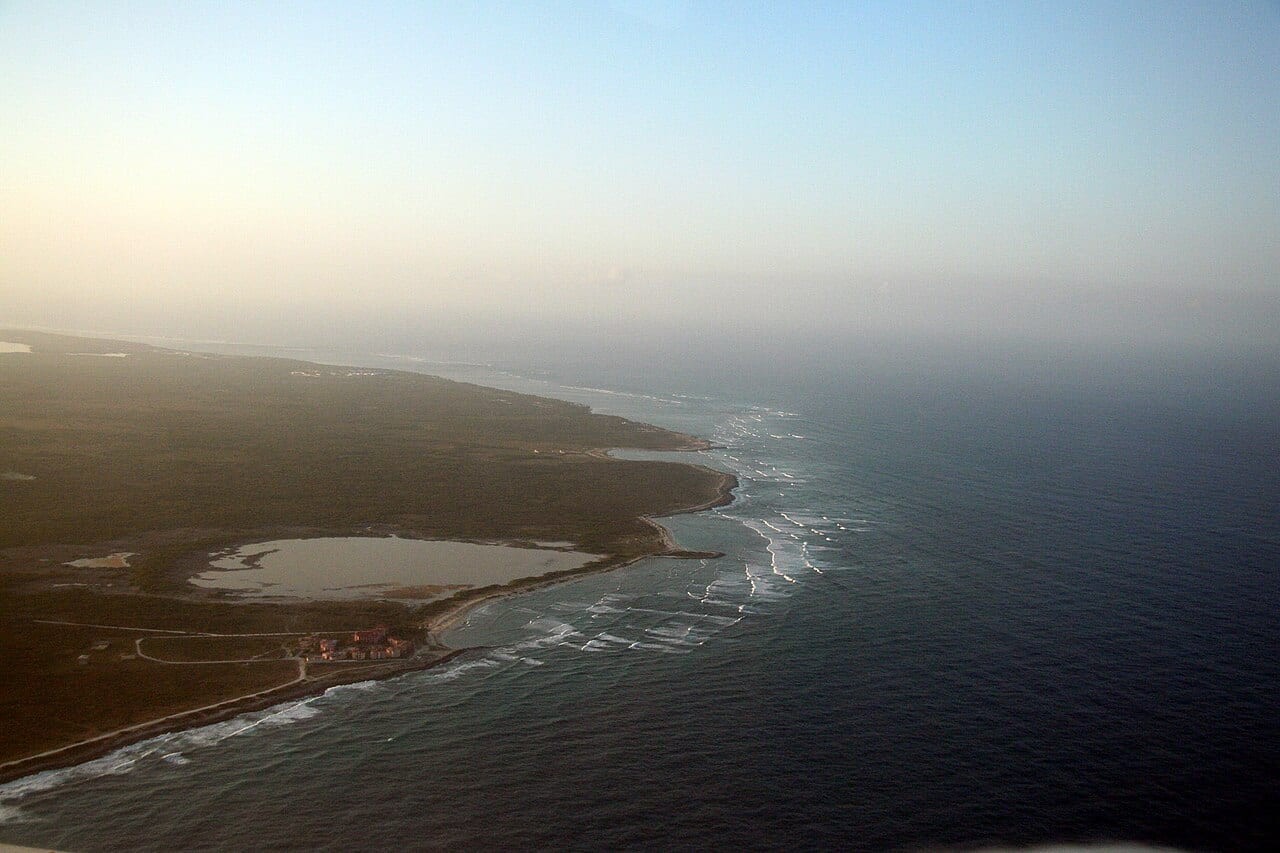
Occupying the easternmost tip of the Dominican Republic, Punta Cana is the Caribbean's leading resort-property market, drawing more than 5 million arrivals a year through its international airport. A combination of white-sand beaches, year-round tourism, hard-currency US-dollar pricing, and an open foreign-ownership regime has made it a magnet for international buyers. Investment concentrates on the high-occupancy short-term rental engine of Bávaro, the ultra-luxury master-planned city of Cap Cana (with its Juanillo and Punta Espada enclaves), the beachfront corridors of Los Corales and El Cortecito, and the gated golf communities radiating inland. Condos average roughly US$1,980-2,100 per square metre - among the more accessible Caribbean entry points - while Los Corales and El Cortecito reach US$2,200-3,500 and Cap Cana villas range from US$1 million to US$4 million-plus. The Dominican Republic welcomed 11.6 million visitors in 2025 with hotel occupancy above 77%, underpinning rental demand. Punta Cana delivers gross rental yields consistently in the 6.75-7.11% range (city average near 7%), with well-managed properties reaching 8% - strong, tourism-driven returns that should be read net of management and seasonality.
Santo Domingo
Dominican Republic
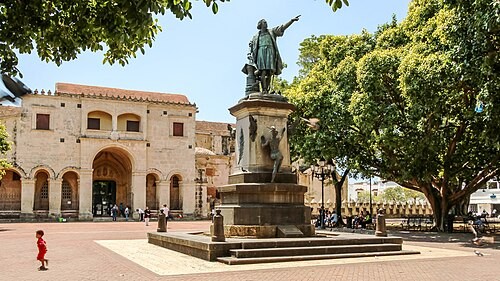
Santo Domingo is the Dominican Republic's capital, the oldest continuously inhabited European-founded city in the Americas (founded 1496), and the financial and political heart of the Caribbean's largest economy by population. The city blends UNESCO-listed colonial architecture (Zona Colonial) with modern high-rise districts (Piantini, Naco) and a growing professional services economy. Residential prices in prime districts range from USD 1,800-3,500 per square metre, with gross yields of 6.5-9.5% -- among the best in the Caribbean for long-let. Foreign buyers face no restrictions on property ownership in DR, and the country offers a very accessible residency-by-investment programme (USD 200,000 qualifying investment). For international buyers, Santo Domingo offers some of the Caribbean's best yields, open foreign ownership, an accessible residency programme, and growing professional services and tourism economies. The catch: Dominican peso (DOP) volatility, slower legal/transaction processes than Panama or Costa Rica, and infrastructure quality varies sharply by district.

Cuenca
Ecuador
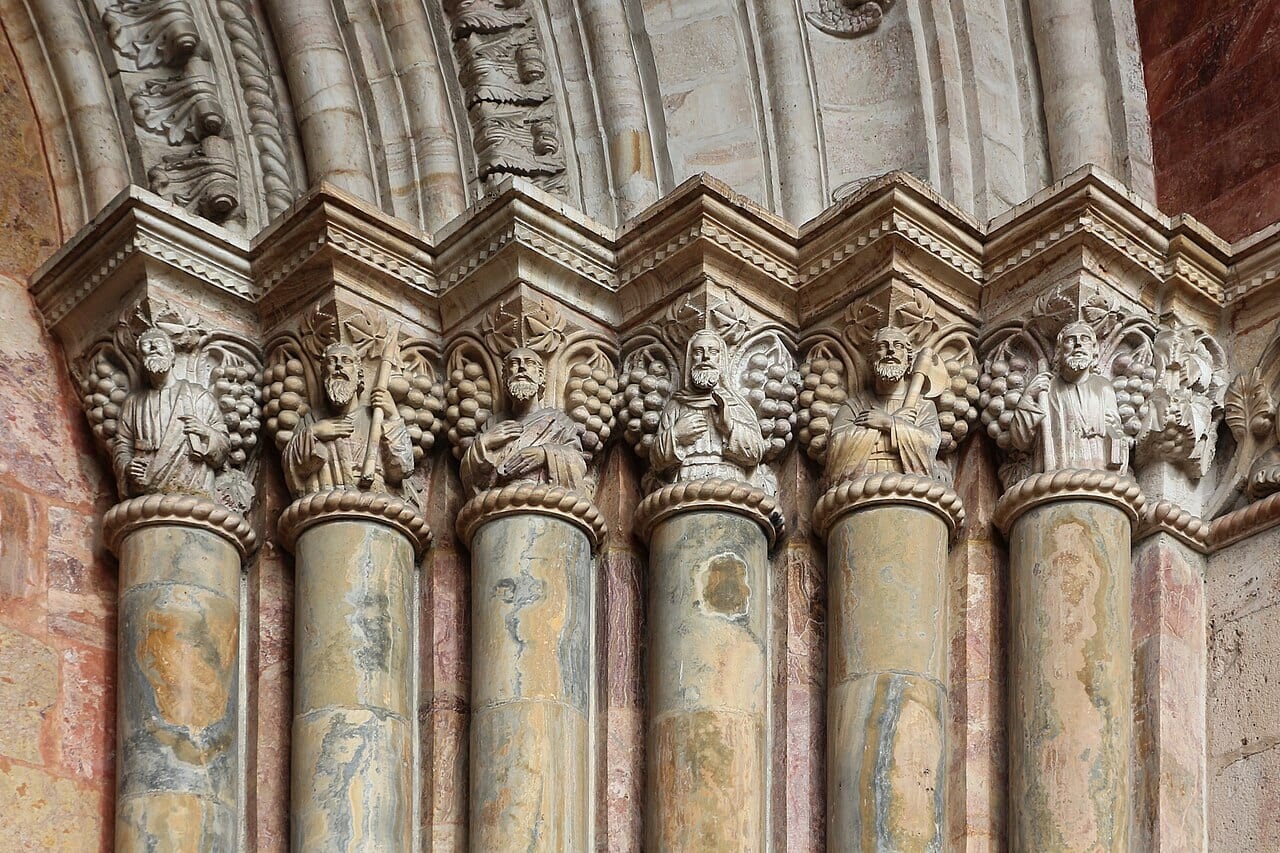
Cuenca, a UNESCO World Heritage city in Ecuador's southern Andes, is the country's premier expat and retirement destination and its most expensive residential market by land value. Median asking prices sit near $1,230/m² in 2026, with prime apartments on Av. Ordóñez Lasso and around El Centro reaching $1,300/m². Demand surged roughly 32% in 2024 (Plusvalía data), and the market has held firm through national uncertainty thanks to a deep, dollar-denominated expat buyer base. Gross rental yields on well-located apartments run 7–8.5%, among the strongest in Ecuador, driven by long-stay retirees and short-term visitors to the colonial core. Ecuador uses the US dollar (since 2000), removing currency risk for foreign buyers. Foreigners own property on identical legal footing to citizens, no trusts, partners, or licences required, and Cuenca sits well outside the 50km border and coastal restriction zones. A property assessed at roughly $48,200 (100× the 2026 minimum wage) qualifies the buyer for the Inversionista investor-residency visa, a two-year temporary permit leading to permanent residency in about four years. Annual property taxes commonly run under $300. With heritage protections capping new central supply, scarcity supports steady 3–5% appreciation on prime stock.
Guayaquil
Ecuador
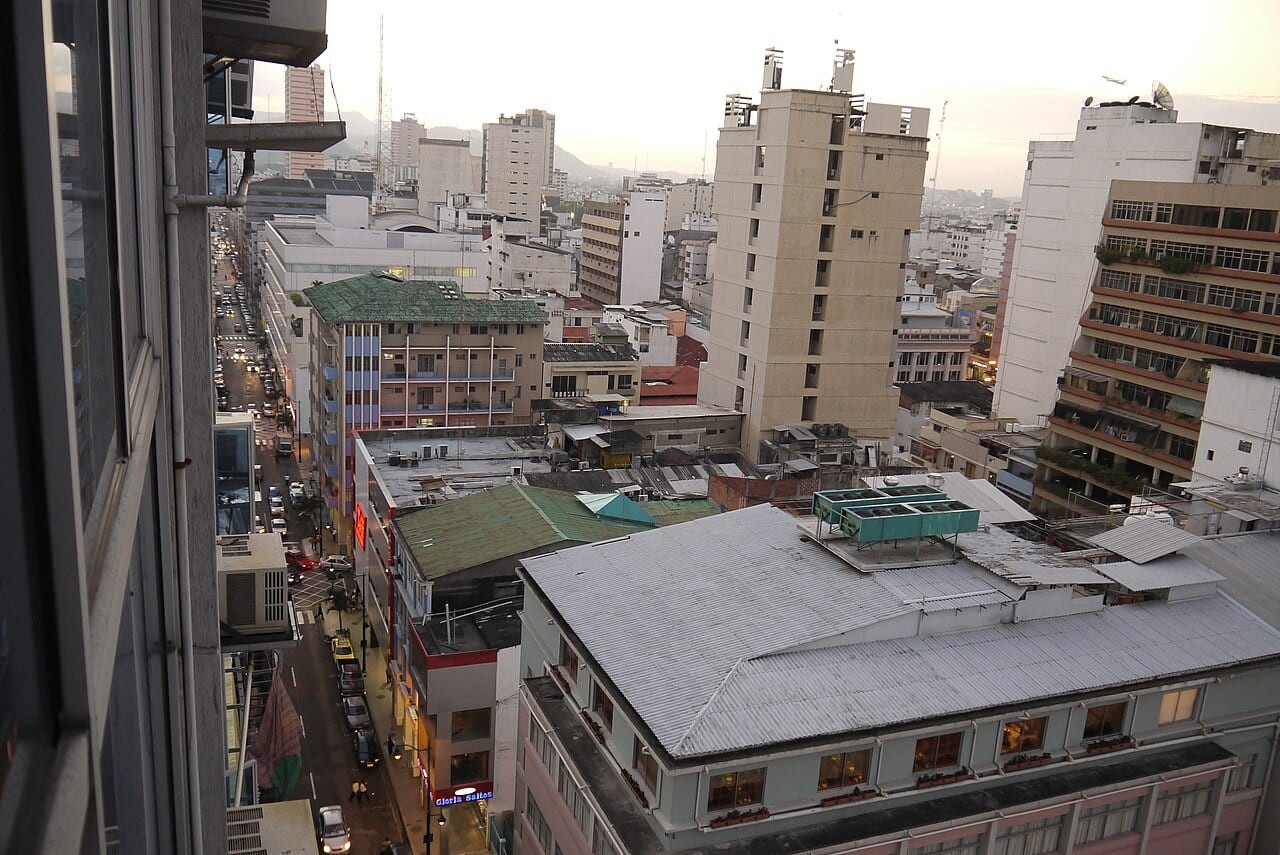
Guayaquil, Ecuador's largest city and principal port, is the country's commercial and industrial powerhouse, generating a deep, business-driven property market distinct from the highland capital. Investor activity concentrates in secure, high-end enclaves: the gated suburb of Samborondón, the waterfront redevelopments of Puerto Santa Ana and Ciudad del Río, and the modern north. In 2026, two-bed apartments in Puerto Santa Ana run $80,000–$150,000, while three-bed homes in Samborondón gated communities range $180,000–$350,000; metro two-bed asking prices average near $112,000. Gross rental yields sit around 6–7.5% in prime zones, supported by corporate staff, expats and professionals seeking safe addresses. Ecuador's full dollarization removes currency risk, and there are no restrictions on foreign ownership, land and built property can be held under personal or corporate names. Guayaquil lies far from the 50km border zone. A purchase near the $48,200 threshold (100× the 2026 minimum wage) qualifies for the Inversionista investor-residency visa. With dollar stability, cost competitiveness versus regional peers and concentrated demand for secure stock, prime Guayaquil offers moderate but dependable appreciation of roughly 3–4% with strong cash flow in the city's gated and waterfront districts.
Quito
Ecuador
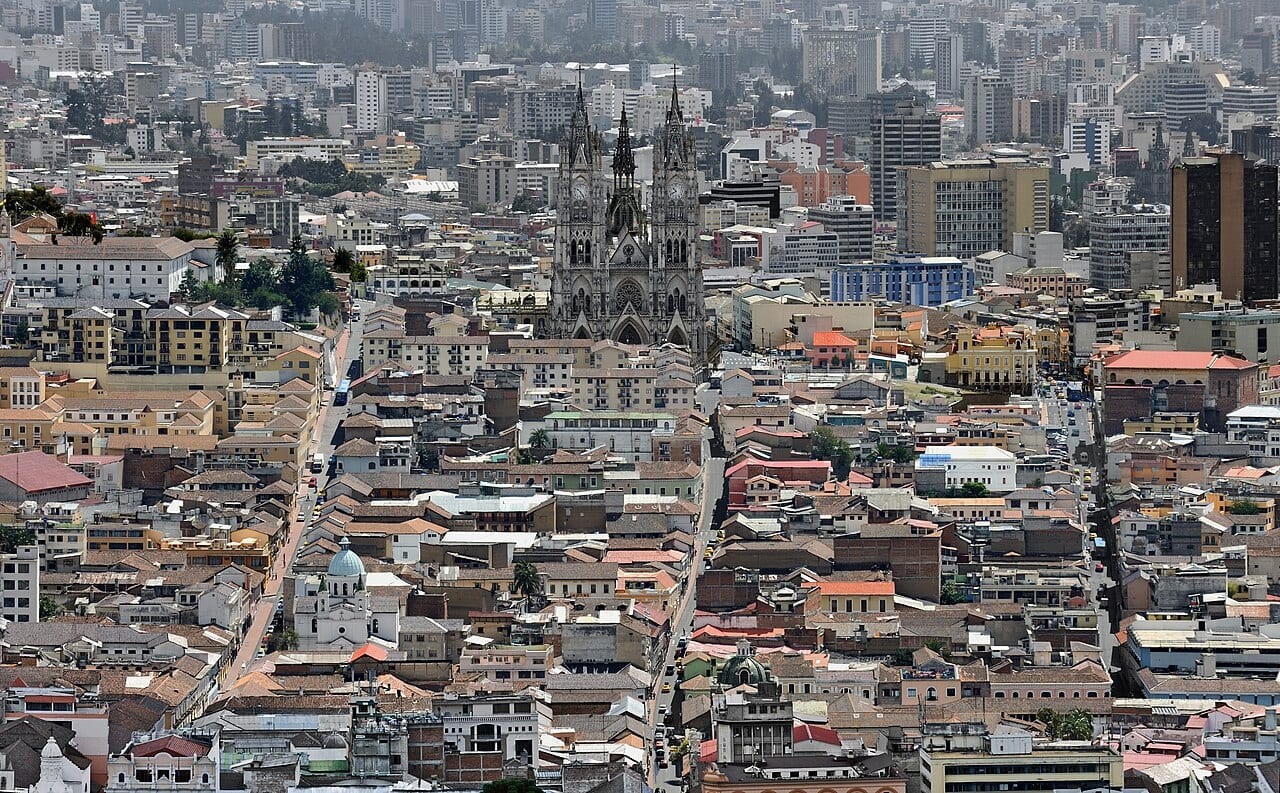
Quito, Ecuador's high-altitude capital, anchors the country's largest and most diverse property market, spanning a UNESCO-listed colonial center, modern financial districts and affluent valley suburbs. Average pricing sits near $1,330/m² in 2026, cheaper than Lima ($1,640) or Bogotá ($1,410), while gross rental yields range from about 5.8% in the central core to nearly 9–10% in outer districts, with prime modern apartments around 6–7%. As the seat of government, NGOs and multinationals, Quito offers the country's deepest pool of corporate and diplomatic tenants, concentrated in González Suárez, La Carolina and the Cumbayá–Tumbaco valley. Ecuador's full dollarization (since 2000) eliminates currency risk, and foreigners buy on identical terms to citizens, with no trusts or partners required; Quito lies far from the 50km border and coastal restriction zones. A purchase near the $48,200 threshold (100× the 2026 minimum wage) qualifies for the Inversionista investor-residency visa, leading to permanent residency in roughly four years. With political and pro-business stabilization under the Noboa agenda, prime assets are forecast to appreciate around 3–5% annually alongside 5%+ income yields, making the capital Ecuador's core blend of liquidity and cash flow.
Salinas
Ecuador
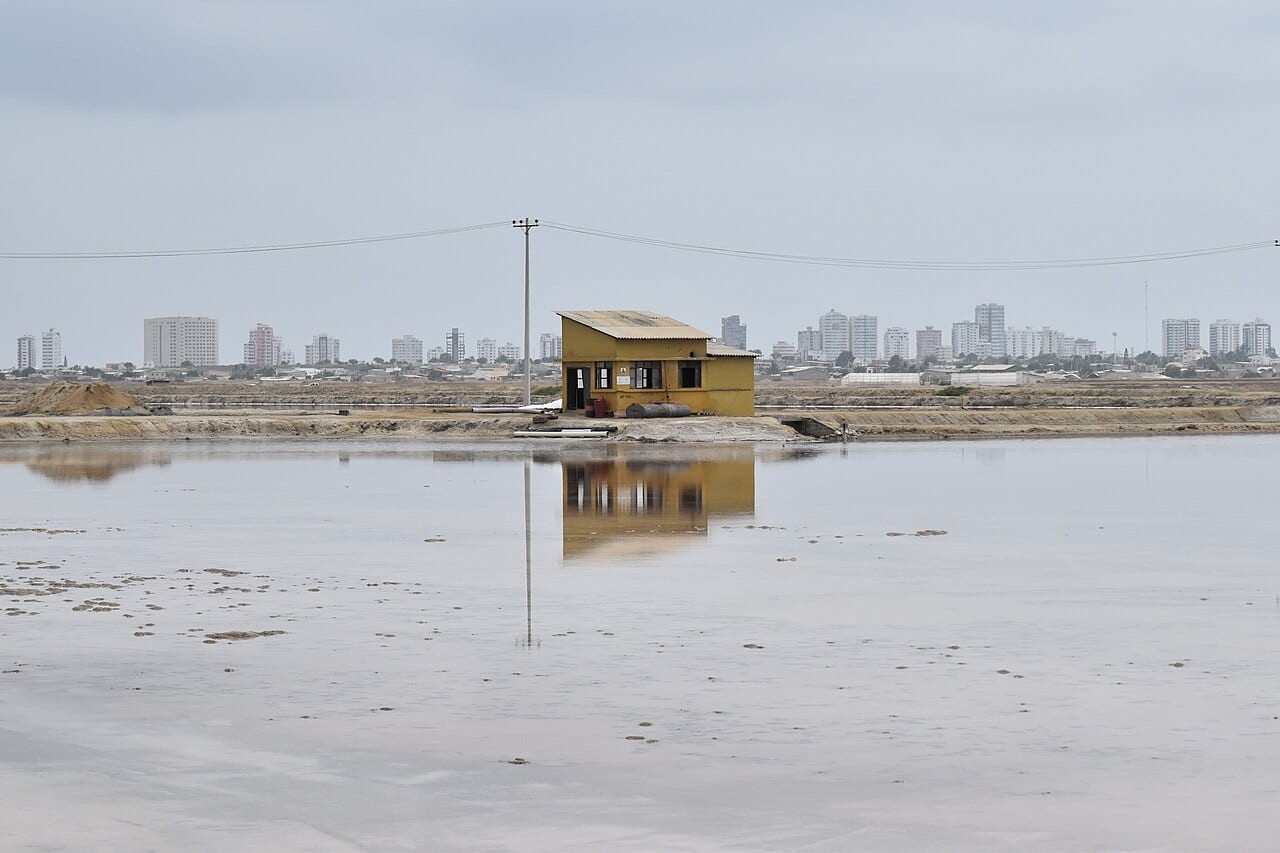
Salinas, on Ecuador's Santa Elena peninsula, is the country's most popular beach resort and a fast-rising expat favorite, offering oceanfront and ocean-view property at prices far below comparable Latin American coasts. In 2026 the median condo sells around $149,000 at roughly $1,255/m², with one-bed ocean-view units near $70,000–$120,000 ($79,500 average), two-beds around $113,000, and three-beds near $172,000. As Ecuador's top domestic beach destination, Salinas supports active vacation-rental demand, with well-managed oceanfront condos achieving 6–9% gross yields in peak season. Ecuador's full dollarization removes currency risk for foreign buyers. Foreigners own on the same footing as citizens; Salinas sits outside the 50km border zone, and while some undeveloped coastal land within roughly 8km of the shoreline carries municipal restrictions, these do not affect Salinas's built condos and titled urban beachfront. A purchase near $48,200 (100× the 2026 minimum wage) qualifies for the Inversionista investor-residency visa. With reasonable beachfront entry prices, strong seasonal rental demand and growing expat interest, Salinas offers an accessible dollar-priced coastal play with 3–5% appreciation and standout cash-flow potential in its prime beach zones.

Alexandria City Guide
Egypt
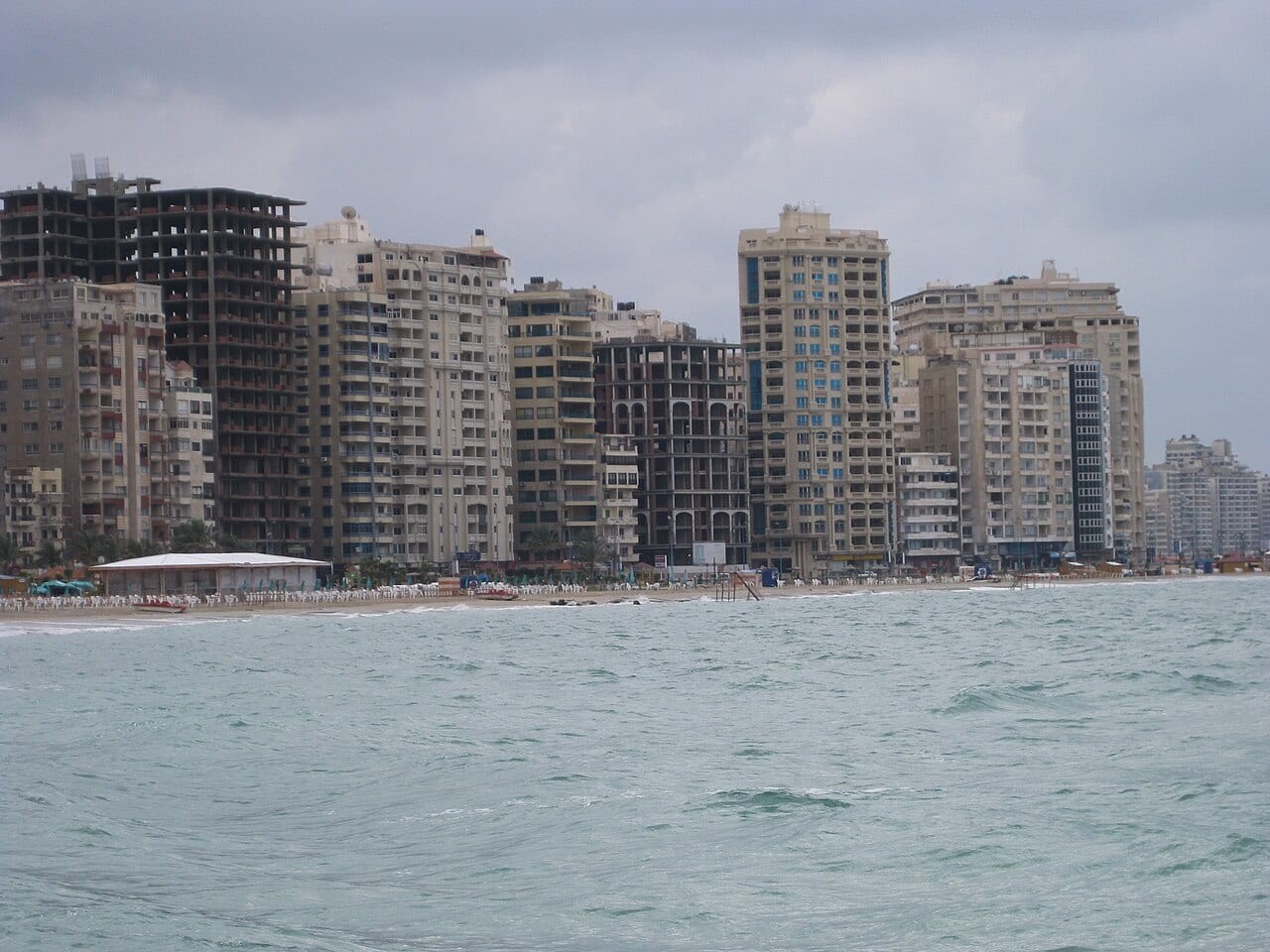
Egypt's Mediterranean capital and its second city, Alexandria pairs a 2,300-year cultural legacy with one of the country's most supply-constrained residential markets. Stretching along a 30-kilometre Corniche, the city blends established upmarket districts such as Smouha, Stanley, and Kafr Abdo with the major new-build catalyst of Sawary Alexandria and the expanding western suburbs. Unlike the seasonal North Coast resort belt, Alexandria functions as a deep, year-round residential market driven by long-term tenancy, a large domestic professional base, and a population projected to grow at roughly 5.1% CAGR through 2035. Nominal prices have moved sharply in the high-inflation Egyptian pound environment - the average apartment now sits near EGP 7,950 per square metre (about US$171), up around 5% year-on-year, while villa values rose far faster off a low base. Persistent undersupply relative to demand keeps upward pressure on prices across most neighbourhoods. For international and diaspora buyers, Alexandria offers gross apartment yields in the 4-6% range, hard-currency upside via the weak pound, and a more stable, end-user-led market than Egypt's tourism-driven coastal hotspots.

Cairo
Egypt
Cairo is Egypt's capital, the Arab world's largest city by population (~22 million in the greater metro), and one of the Middle East's most important historical, political and cultural centres. The market is currently being reshaped by the government's New Administrative Capital (NAC) project, the country's IMF-backed currency liberalisation, and a wave of post-2022 EGP devaluation that has created compelling foreign-currency entry points. Residential prices in prime districts (Zamalek, Maadi, Heliopolis, New Cairo, Sheikh Zayed) range from EGP 35,000-90,000 per square metre, with gross yields of 7-10% in USD-priced compound segments. The 2024 currency liberalisation (EGP devalued to ~50 per USD) made Egypt one of the cheapest major emerging markets globally on a USD-priced basis. International buyers face no restrictions and can purchase freehold property anywhere in the country. For international buyers, Cairo offers extreme value post-devaluation, very strong gross yields, a 100-million-strong population catchment, and zero foreign-ownership restrictions. The catch: EGP volatility is significant, transaction processes are bureaucratic, and political/macro risk is materially higher than Gulf markets.

Giza City Guide
Egypt
Giza sits on the west bank of the Nile across from Cairo, home to the Pyramids and Sphinx and, since November 2025, the Grand Egyptian Museum (GEM), the world's largest single-civilisation museum, which is projected to help draw more than 25 million tourists to the plateau in 2026. The governorate spans dense older districts such as Haram and Faisal and the planned satellite of 6th of October City, which together with New Cairo accounted for over 40% of Egypt's new residential development in 2024. Foreign buyers should weigh two hard constraints: Law No. 230 of 1996 caps non-Egyptians at two residential units (each up to 4,000 m2) with a five-year resale lock, and the Egyptian pound's sharp devaluation from March 2024 means headline EGP price growth of 60-150% in some Giza districts is largely inflation rather than real US-dollar gains. Gross residential yields are modest at roughly 5-8%, and policy rates of 27-30% keep local mortgage demand thin.
Hurghada City Guide
Egypt
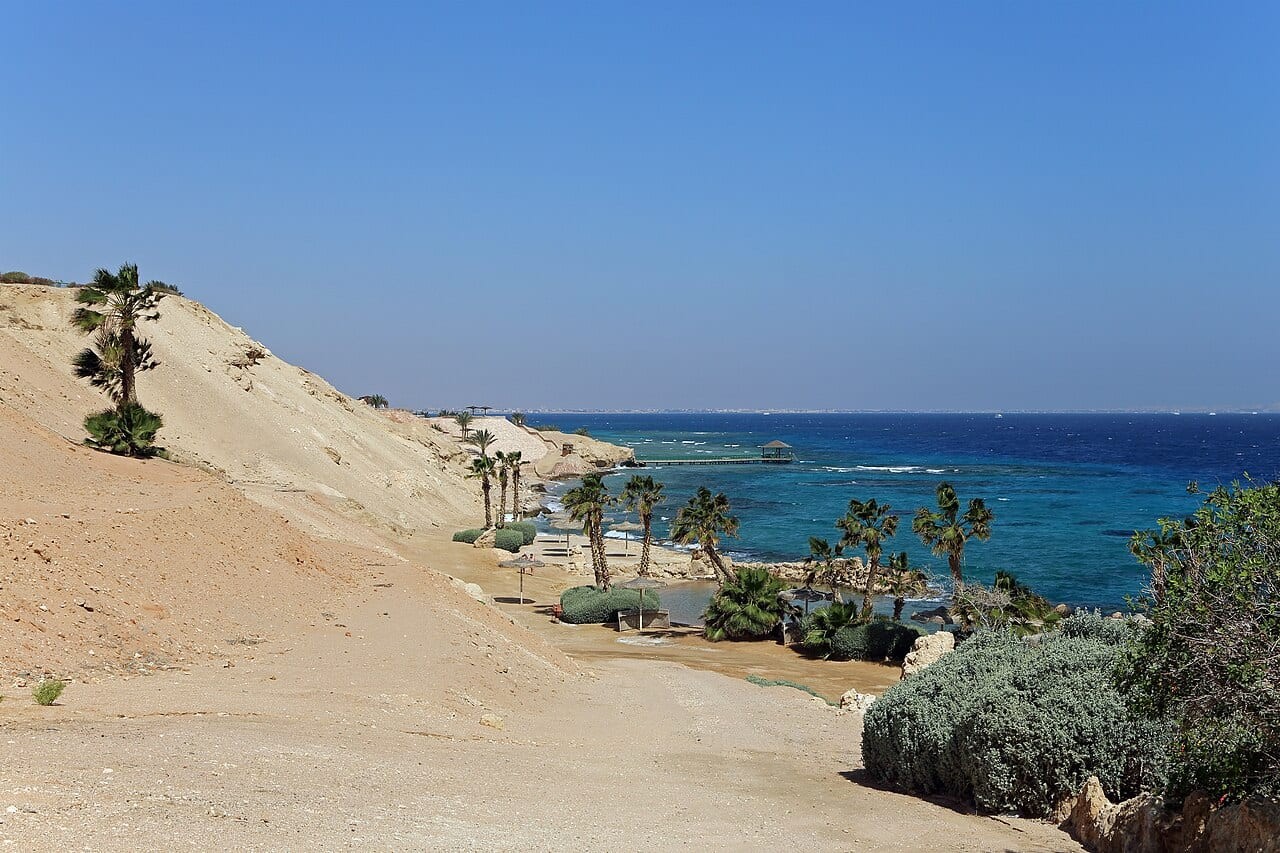
Hurghada stretches along Egypt's Red Sea coast in the Red Sea Governorate and is the country's leading beach-resort property market, anchored by year-round sunshine, diving and a tourism sector that helped Egypt welcome nearly 19 million visitors in 2025. Resort communities such as Sahl Hasheesh and Makadi Bay sell predominantly to foreign buyers at US-dollar prices, where the same Law No. 230 of 1996 two-unit cap and five-year resale lock apply. The draw is the short-let economy: furnished resort apartments and beachfront units generate a realistic 6-8% gross annual yield, with well-managed Marina and Sahl Hasheesh stock occasionally cited toward 8-10% in peak season, though such figures should be treated as marketing-optimistic rather than guaranteed. Prices have risen 10-15% over the past year, and because foreign-resort transactions are largely dollar-denominated they are partly insulated from the EGP devaluation that distorts Cairo and Giza data.
Sharm El Sheikh
Egypt
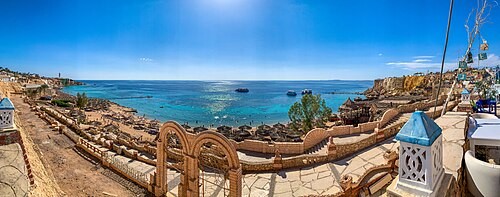
Sharm El Sheikh is Egypt's premier Red Sea resort city, located on the southern tip of the Sinai Peninsula. The city has been one of the Mediterranean basin's most successful resort destinations for three decades, drawing 5-7 million annual visitors (pre-COVID levels now restored) and serving as a primary diving, beach, and conference destination. Residential prices in beach-adjacent compounds (Naama Bay, Hadaba, Nabq, Sharks Bay) range from EGP 30,000-65,000 per square metre (USD 600-1,300), with strong short-let / holiday rental yields of 8-12% gross when properly managed. The market is highly compound-driven -- foreign buyers almost exclusively purchase in serviced gated developments with pool, beach access, and rental management. For international buyers, Sharm offers cheap entry, strong short-let yields, zero foreign ownership restrictions, and exceptional Red Sea natural amenity. The catch: seasonality (winter peak, summer slow), heavy reliance on UK/Eastern European tour operators, and sporadic regional security headlines that can damage tourist arrivals.

El Zonte
El Salvador
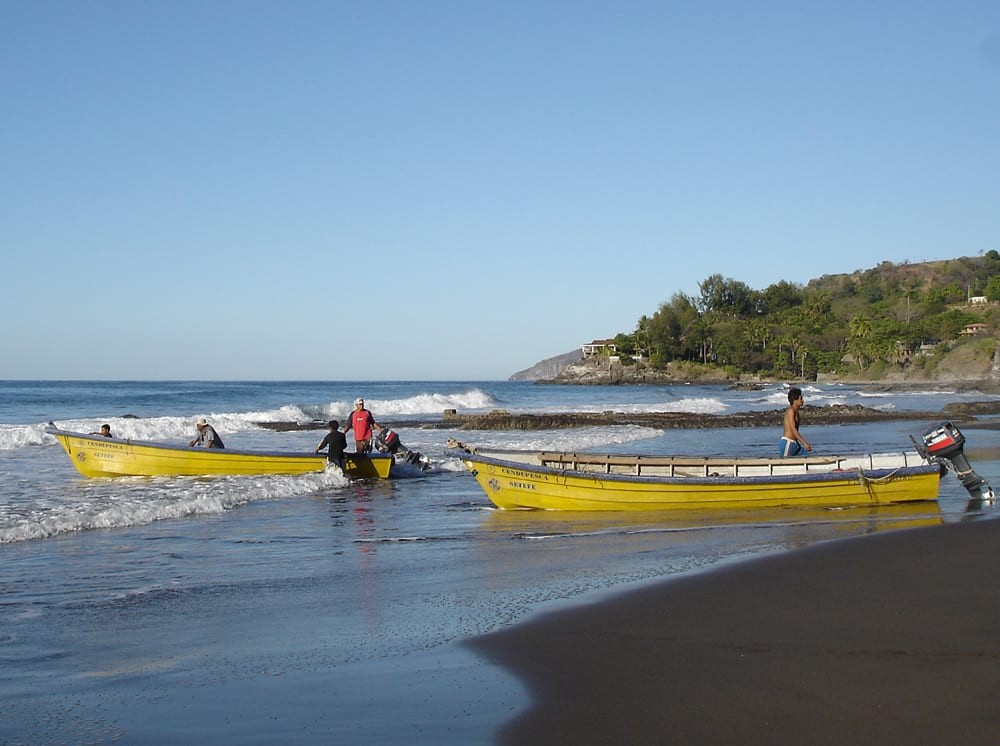
El Zonte, globally famous as Bitcoin Beach, is El Salvador's highest-conviction speculative property market, the village where a 2019 Bitcoin circular economy experiment seeded the 2021 national Bitcoin Law and ignited a coastal land rush. Once a bohemian surf hideaway, it has become a world surfing destination and a magnet for crypto entrepreneurs, digital nomads and frontier investors. Land prices tell the story: from an average of $34.33/m2 in 2015-2020 to $80.61/m2 in 2021-2024 (a 134.8% jump since the Bitcoin Law), with premium oceanview projects in 2025 reaching up to $1,058/m2 and flagship luxury villas at El Alto Residences listed near $1.19M. Foreign buyers must navigate the rule that non-citizens cannot directly own land within 100 metres of the high-tide line; the standard workaround is to hold beachfront through a Salvadoran corporation or trust, while inland lots can be owned outright. The US dollar and Bitcoin are both legal tender, overseas and BTC income is taxed at 0%, and the 2026 immigration reform plus the $1M Bitcoin Freedom Passport deepen the foreign-investor pipeline. The government's $200M+ Surf City program (highway four-laning, water treatment) underpins the thesis, though some analysts flag short-term-rental saturation and speculative froth - making location selection within El Zonte critical.
La Libertad
El Salvador
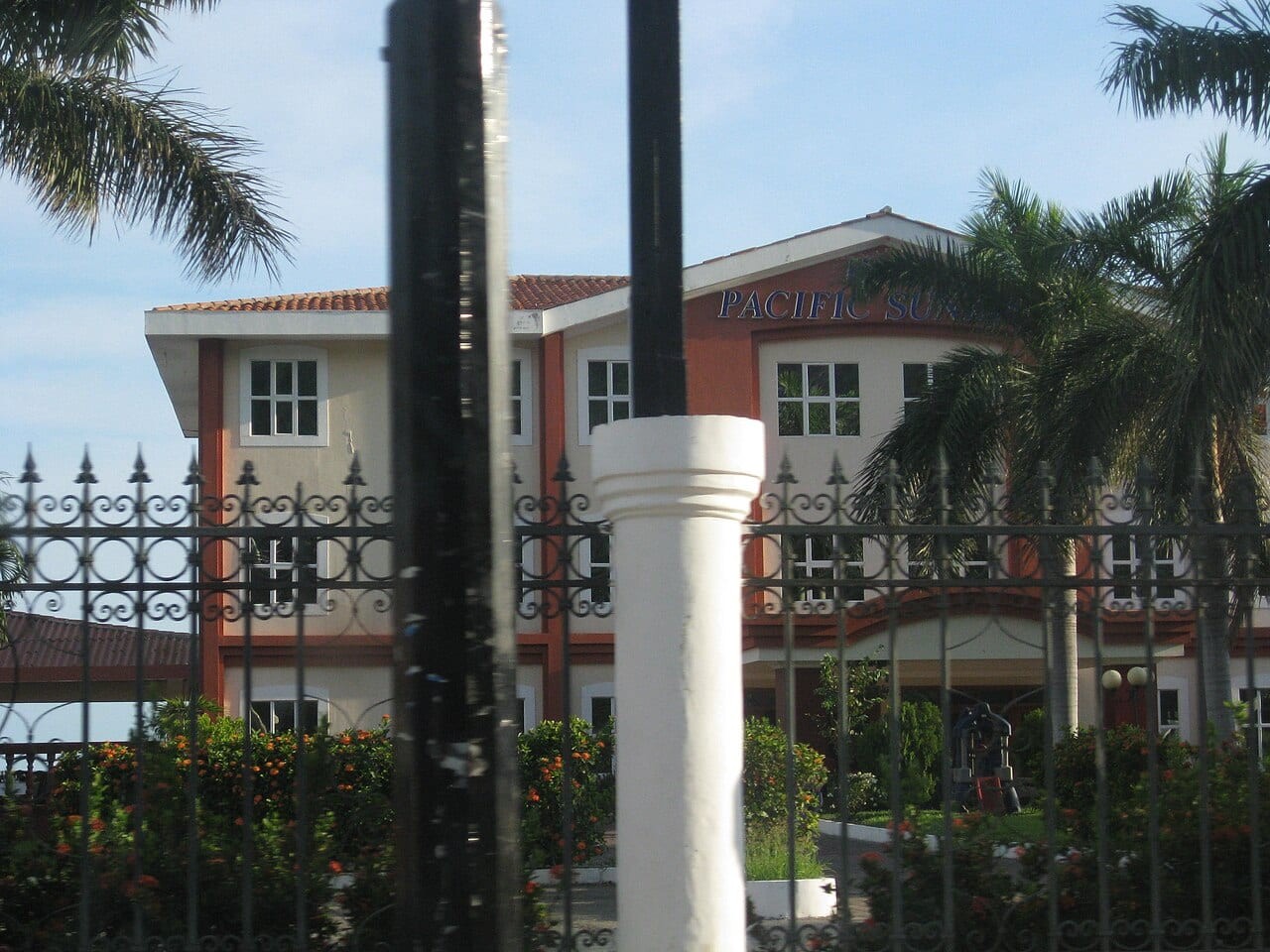
La Libertad is the beating heart of El Salvador's Surf City, the stretch of Pacific coast just 30-40 minutes from San Salvador and its international airport that the government has rebranded and rebuilt as the country's flagship tourism-and-investment corridor. Anchored by the legendary surf villages of El Tunco and El Sunzal, the rejuvenated Puerto de La Libertad and its Malecon, and a wave of gated beach communities, it is the most institutional-grade slice of the Salvadoran coast. Prices have climbed sharply: prime Surf City areas now reach around $2,000/m2 - comparable to premium Panama City - while gross rental yields in coastal areas exceed 8.7%, among Latin America's highest, with top properties generating $6,000+ per month. Listings span a wide band, from a 3-bed beach house at $430,000 in the gated El Mirador community to El Sunzal oceanview homes near $755,000. As elsewhere on the coast, foreigners cannot directly own land within 100 metres of the high-tide line and use Salvadoran corporations or trusts for beachfront, while inland and urbanized lots can be held outright; the dollarized, Bitcoin-legal, 0%-foreign-income tax regime and the 2026 immigration reforms apply throughout. The $200M+ Surf City 1 and 2 program - highway four-laning, a new water treatment plant and Malecon upgrades - is the structural tailwind behind La Libertad's growth.
San Salvador
El Salvador
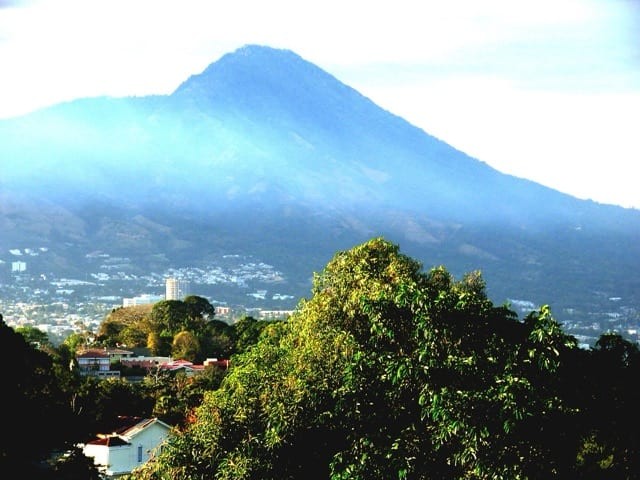
San Salvador is El Salvador's dollarized capital and the country's deepest, most liquid property market, anchored by upscale western districts where embassies, multinationals and the new wave of crypto-economy professionals concentrate demand. In 2026, premium neighbourhoods diverge sharply: Colonia Escalon trades around $420-$700/m2 while adjacent San Benito commands $980-$1,400/m2 for new luxury condos. Gross rental yields are among Latin America's strongest, roughly 7.3% in the city centre and 7.5% or higher outside it, with furnished executive units in Escalon and San Benito renting $400-$700 per night on the short-term market. Dollarization (the US dollar is legal tender since 2001, alongside Bitcoin since 2021) removes currency risk for foreign buyers, and El Salvador's territorial tax system means overseas and Bitcoin income is taxed at 0%. Foreigners may own urban property outright with no nationality restriction inside the city; the 100-metre coastal and 30-kilometre border restrictions do not apply to San Salvador's inland location. The 2026 immigration reform cut the residency-presence requirement to 90 days, and a $1,000,000 Bitcoin/USDT contribution grants the Freedom Passport. Plummeting crime, a rebuilt Centro Historico, and steady 5-7% YoY appreciation make the capital the lower-volatility entry point into the Salvadoran story versus the speculative coast.
Santa Ana
El Salvador
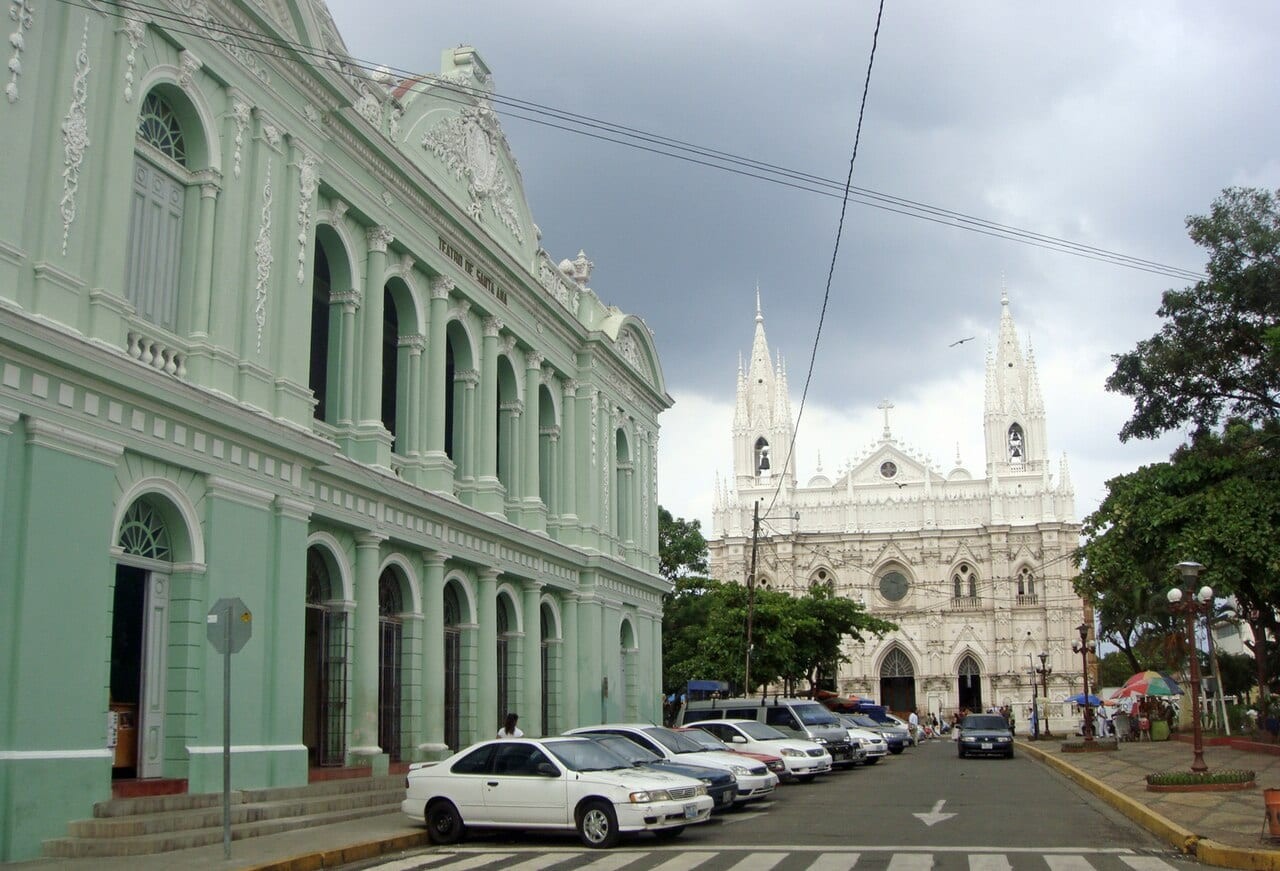
Santa Ana, El Salvador's elegant second city and the capital of the western coffee highlands, is the country's most affordable and value-oriented investor market - an inland, climate-cooled alternative to the speculative coast. Roughly 250,000 residents anchor a metro of well over 350,000, set among the volcanoes, crater lakes and coffee fincas of the west. Its crown jewels are the neo-gothic Santa Ana Cathedral, the restored Teatro de Santa Ana and a handsome historic core, while Lake Coatepeque and Cerro Verde national park drive a growing tourism-and-second-home market. Prices are a fraction of San Salvador and the coast: residential homes start around $55,000 with rentals from $350/month, while premium estates and lakefront land reach into the seven figures for boutique-hotel or development use. The inland location means none of the coastal 100-metre restriction applies, so foreigners can own urban and most rural property directly - only the 30-kilometre border-zone rule (near the Guatemala frontier) requires structuring. Dollarization, Bitcoin legal tender, the 0% foreign-income tax regime and the 2026 immigration reforms apply nationwide. With prices low, yields healthy from student and worker demand, and Lake Coatepeque tourism rising, Santa Ana is the contrarian, lower-cost entry to the El Salvador story.

Tallinn City Guide
Estonia
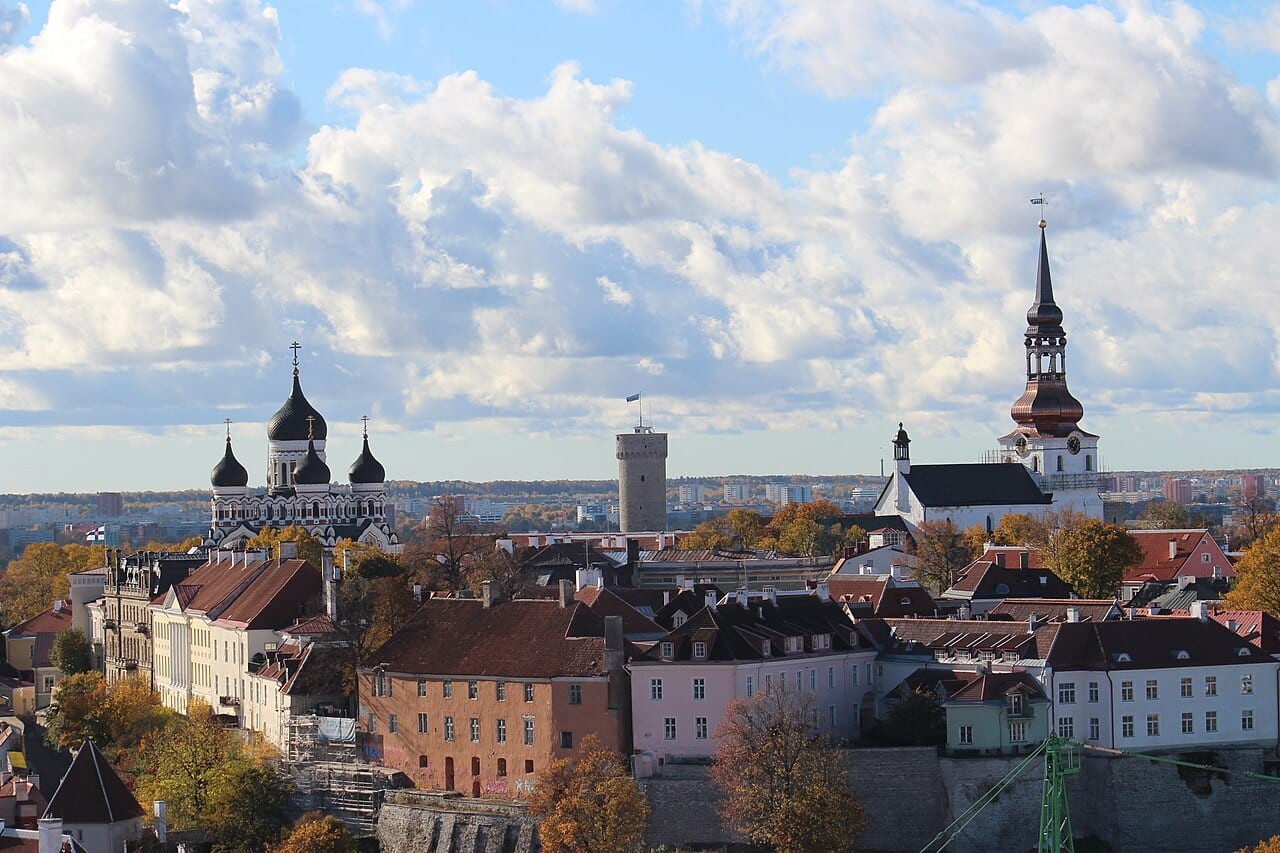
Tallinn is the Baltic region's standout investment market: the capital of a fully digital, eurozone EU member state with one of Europe's most dynamic technology economies. Estonia adopted the euro on 1 January 2011, removing currency risk for foreign buyers, and the country is globally famous for 'e-Estonia', a digital-government stack where company registration, banking and document signing happen entirely online. Estonia has produced more startup unicorns per capita than any other European country (Skype, Wise, Bolt, Pipedrive and more), and this tech wealth, combined with Tallinn's role as a Baltic gateway port, underpins steady housing demand from young professionals and expats. For investors, Tallinn offers a rare combination for an EU capital: relatively low entry prices (citywide transaction average around €3,050/m²), gross rental yields meaningfully above Western European capitals (citywide ~4.4%, with affordable Soviet-era districts reaching 5–6%), and no recurring tax on buildings, Estonia taxes only land. Transaction costs are among the lowest in Europe (regulated notary fee plus a fixed Land Register state fee; no stamp duty or transfer tax). Prices cooled from the 2024 boom but resumed moderate growth in 2025 as Euribor eased. Caution flags: Estonia has NO property-based golden visa, buying property grants no residency, and 'e-Residency' is a digital business ID, not the right to live in Estonia. The eastern border location near Russia carries a geopolitical risk premium, and short-term-rental rules are tightening, especially in the UNESCO-protected Old Town and under EU Regulation 2024/1028, which applies from May 2026.
Tartu City Guide
Estonia
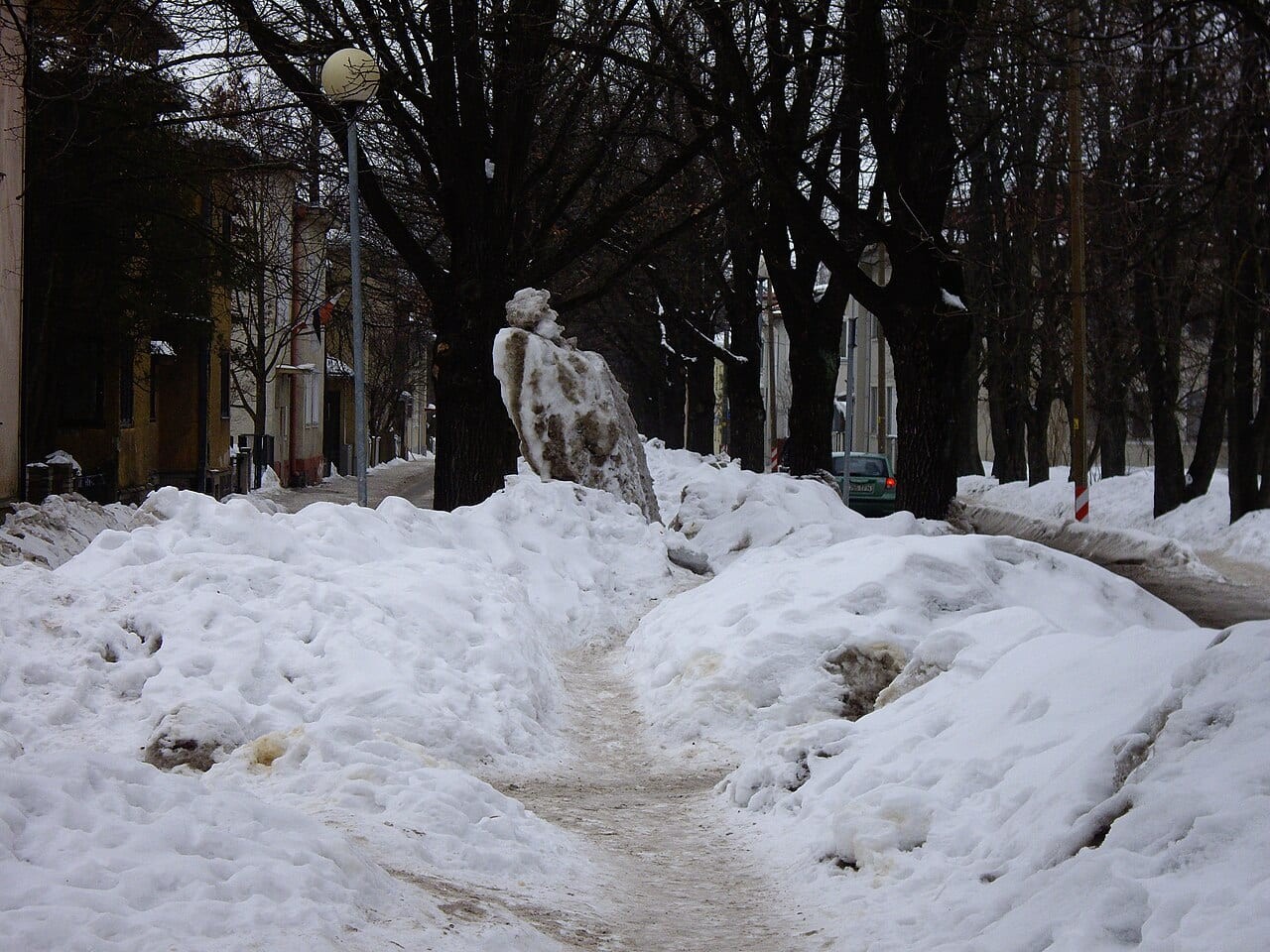
Estonia's second city and its intellectual capital, Tartu is home to the University of Tartu, the Baltic region's oldest and most prestigious, and a fast-growing technology and research cluster that earned it the title of European Capital of Culture 2024. With a population near 97,000, the city pairs a centuries-old academic heritage with a vibrant, youthful rental market and noticeably more affordable entry points than Tallinn. Average apartment transaction prices stood at roughly EUR 2,443 per square metre in Q2 2025, around 26% below comparable Tallinn stock, with a typical well-located 60-square-metre flat costing between EUR 110,000 and EUR 180,000. The historic centre of Kesklinn, the bohemian wooden-house district of Karlova, the leafy professors' district of Tahtvere, the low-vacancy Supilinn, and the large Soviet-era residential hub of Annelinn anchor demand. Tartu apartments offered gross rental yields between roughly 4.0% and 5.0% in 2025, averaging about 4.3%, supported by a deep and predictable student rental cycle. The city saw a temporary price correction in 2025, but underlying demand from the university and research sector remains structurally strong, and resale liquidity for well-priced flats stays healthy into 2026.

Helsinki
Finland
Helsinki is Finland's capital and the EU's northernmost Eurozone capital city. The city is a global tech and design hub (Nokia legacy, Supercell, Rovio, Wolt) with one of Europe's best education systems, strong public transit, and an architectural identity defined by Alvar Aalto and contemporary Finnish modernism. Central residential (Kruununhaka, Kamppi, Toolo, Punavuori, Kallio) commands EUR 5,500-9,500 per square metre, with gross yields of 4.0-5.5% -- among the best in Western European capitals. Finland is in the Eurozone, fully open to foreign buyers, and offers one of Europe's most stable mortgage markets (Bank of Finland-backed). Prices have been flat-to-down through 2022-24 and are now bottoming -- a contrarian entry point for value-focused buyers. For international buyers, Helsinki offers EU/Eurozone safety, English-friendly business culture, strong tech sector tenant demand, and yields meaningfully above other Nordic capitals. The catch: market depth is limited (Finland is the smallest of the Nordic property markets), winters are harsh (a real factor for short-let strategies), and resale liquidity in non-central districts is thinner than in Copenhagen or Stockholm.